
Pain during sex and burning when you pee aren’t symptoms anyone wants to talk about. But when they show up together, they’re worth taking seriously. Here’s what those two symptoms can mean, why an STI is one of the things on the list, and what to do next.
What these Symptoms can Mean
The combination has a handful of possible causes. Some are STIs. Some aren’t. The most common include:
Urinary tract infection (UTI). A bladder infection causes burning during urination, often with the urge to go frequently. Severe UTIs can also make sex painful because of the inflammation. UTIs are not STIs. They’re caused by bacteria getting into the urinary tract, usually from the gut. Common and treatable.
Chlamydia. One of the most commonly reported STIs in the US. Often silent (especially in women), but when it causes symptoms, burning urination, unusual discharge, and pelvic or testicular pain top the list.
Gonorrhea. Similar symptom profile to chlamydia. Often coexists with chlamydia. Burning urination, discharge, sometimes pain in the testicles or lower abdomen.
Genital herpes. Painful sores, ulcers, or blisters in the genital area. Burning urination often happens because urine touches the open sores. First outbreaks can also include fever, body aches, and swollen lymph nodes.
Trichomoniasis (“trich”). Less talked about, but also common. Itching, burning, discharge, pain with sex.
Other causes. Vaginal infections like BV or yeast can cause discomfort during sex. Pelvic floor issues, vulvodynia, and certain skin conditions can too. Not every case of painful sex is an infection.
Why STIs Are Worth Ruling In or Out
Two reasons.
Anyone sexually active is at some baseline risk, and a lot of STIs cause no symptoms at all. By the time symptoms show up, the infection has often been there a while. Chlamydia and gonorrhea, in particular, can sit silently for weeks or months before they make themselves known.
And untreated, several of these infections can cause real damage. Chlamydia and gonorrhea can lead to pelvic inflammatory disease in women, which can affect fertility. Both can cause epididymitis in men. Untreated trich can complicate pregnancy. Herpes cannot be cured, but antiviral treatment manages it effectively, suppressing outbreaks and reducing the risk of passing it to partners.
These outcomes are preventable with diagnosis and treatment.
Self-Diagnosis Has Limits
Here’s the honest truth about these symptoms. They overlap. Burning urination alone could be a UTI, chlamydia, gonorrhea, herpes, or even something irritation-related. Painful sex on its own has dozens of causes.
When the two show up together, the right move isn’t to guess. It’s to get tested.
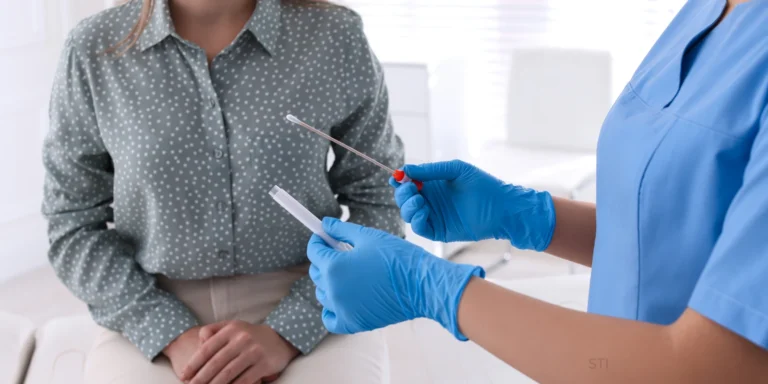
For chlamydia and gonorrhea, testing is straightforward (a urine sample or swab). For herpes, a visual exam plus a swab of any active sores, and for UTIs, a urine dipstick or culture gives a quick answer. The faster the diagnosis, the faster the right treatment starts.
It means the original diagnosis may not have been complete. A UTI and an STI like chlamydia or gonorrhea can look almost identical in terms of urinary symptoms, and standard UTI antibiotics don’t treat STIs. If you completed a full course of antibiotics for a UTI and the burning persisted or came back quickly, it’s worth getting tested for chlamydia and gonorrhea specifically. This happens more often than people expect, partly because chlamydia is so common and partly because both infections produce overlapping symptoms. A second treatment course for UTI won’t fix what was actually an STI all along. Get tested before retreating.
What to do Right Now
A few practical steps if you’re in this position:
- Don’t have sex until you’ve been tested or treated. If it is an STI, you risk passing it on.
- Drink water. But don’t try to “flush out” a possible STI with cranberry juice or home remedies. Doesn’t work.
- Skip OTC numbing creams on genital sores. Get them looked at instead.
- Tell any recent partners once you know what you have. They may need testing too.
- Don’t tough this out. The earlier you get answers, the simpler the treatment.
Yes. Chlamydia and gonorrhea are frequently asymptomatic, particularly in women, meaning your partner can carry and transmit the infection while feeling completely fine. If you’ve been diagnosed with either, your partner needs to be tested and treated regardless of whether they have symptoms. Treating only one person in a sexual partnership and resuming unprotected sex leads to reinfection, sometimes called a “ping-pong” infection cycle. Some healthcare providers treat both partners simultaneously even before test results come back, particularly when chlamydia or gonorrhea is strongly suspected. Your partner not having symptoms is not reassurance that they’re clear.
How ChatRx Fits
If you’re in Indiana, Illinois, or Michigan, ChatRx treats chlamydia, gonorrhea, genital herpes, and UTIs as part of our 39 acute conditions. The visit is chat-based, doctor-reviewed, and $25 flat. When testing is needed, our doctors can guide you to a local lab.
If your symptoms point to something we don’t treat, or if you need an in-person exam (especially for visible sores, suspected PID, or anything atypical), we’ll tell you so and steer you toward the right care.
The free symptom checker can help sort what’s going on. No account required.
When You Need In-Person Care Right Away
Get evaluated in person (or in an ER if severe) if:
- You have fever with pelvic pain
- You’re pregnant with these symptoms
- You see open genital sores or significant swelling
- The pain is severe enough to limit walking or sitting
- You feel generally unwell with these symptoms
Quick Take
Pain during sex and burning urination aren’t subtle. They’re your body telling you to get checked. Many of the possible causes are common and easily treatable, but the path forward is testing, not guessing. The longer untreated STIs sit, the more they can do, and the harder they can be to undo.
This isn’t a wait-it-out situation. Get answers.
This information is provided for educational purposes only and is not intended to replace professional medical advice, diagnosis, or treatment through ChatRx. If you have questions about a medical condition, talk with a qualified healthcare provider. Services like ChatRx can help connect you with licensed physicians.