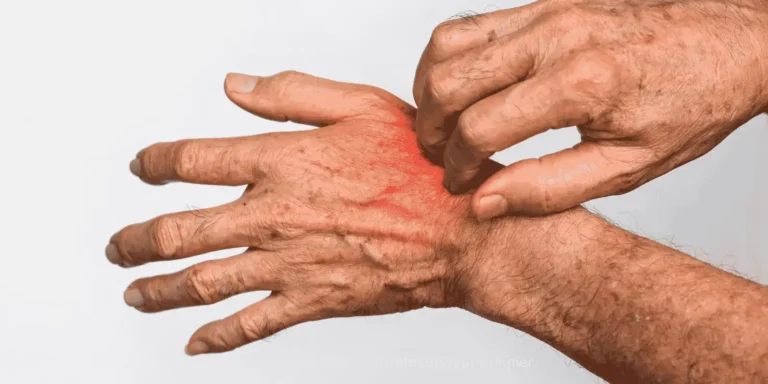
How fast can you spread an STI without knowing it? That depends on which one, how it’s transmitted, and how long it’s been sitting silent in the body. Here’s the honest breakdown for the most common ones.
A quick note on terminology: “STD” and “STI” are used interchangeably. We use STI in this piece, but they refer to the same thing.
Why “How Fast” isn’t a Single Number
Every STI has its own transmission profile. Some need close, prolonged contact. Others pass with a single exposure. A few can be contagious before the carrier even knows they have anything. And many stay infectious for years if untreated.
The other complication: most STIs cause no symptoms in the early stages. By the time someone notices something is off, the infection has often been there for weeks or months, with plenty of time to spread.
Chlamydia
The most commonly reported STI in the US. Spreads through vaginal, anal, or oral sex. Once someone is infected, they can pass it on within days, often before they have any symptoms. Up to 70-95% of women and 50% of men with chlamydia never develop symptoms at all.
Untreated, chlamydia stays infectious indefinitely. A single course of antibiotics clears the infection in most cases.
Gonorrhea
Similar to chlamydia in how it spreads. Passes through unprotected vaginal, anal, or oral sex. Symptoms, when they show up, usually appear 2 to 14 days after exposure. Many people, especially women, never have noticeable symptoms.
Without treatment, an infected person can pass gonorrhea to partners for months. The infection can also spread within the body, affecting joints, blood, and sometimes the eyes.
Herpes (HSV-1 and HSV-2)
This one is different. Herpes spreads through skin-to-skin contact with an infected area, even when no sores are visible. That’s called asymptomatic viral shedding, and it’s part of why herpes is so widely transmitted.
Herpes is lifelong. Many transmissions happen between outbreaks, often from people who don’t know they carry it. Antiviral medications reduce transmission risk but don’t eliminate it.
HPV (Human Papillomavirus)
The most common STI in the US, period. Most sexually active people will get it at some point. Spreads through skin-to-skin contact during sex. Often clears on its own within 1 to 2 years.
Most strains cause no harm. A few cause genital warts. A few others can lead to cervical, anal, or throat cancers years later. That’s the reason the HPV vaccine matters.
Syphilis
Spreads through direct contact with a syphilis sore. The sore (called a chancre) can be small, painless, and easy to miss, often in places that aren’t visible. That’s how syphilis quietly spreads.
Once contracted, it moves through stages: primary, secondary, latent, and late. Highly treatable in the early stages with antibiotics. Devastating if it reaches the late stage untreated.
HIV
Spreads through specific body fluids (blood, semen, vaginal fluids, breast milk). Risk varies by exposure type.
The catch: HIV can be silent for years. Without testing, someone can carry and transmit HIV without knowing. Modern treatment makes HIV manageable, and people on effective therapy with undetectable viral loads cannot transmit it sexually (the U=U principle).
The Asymptomatic Problem
Here’s the thread running through all of this. Most STI transmission happens before the carrier knows they have anything. Symptoms aren’t a reliable signal. Testing is.
People who are sexually active should get tested regularly. The CDC recommends:
- Anyone under 25 who’s sexually active: chlamydia and gonorrhea, yearly
- Anyone with new partners: full STI panel
- Pregnant people: STI testing as part of prenatal care
- Men who have sex with men: full panel every 3 to 6 months depending on risk
Yes. Co-infection is common, and one STI can sometimes make it easier to contract another. Gonorrhea and chlamydia co-infection is especially common. If you test positive for one, it’s worth getting a full panel done rather than stopping there.
No. STIs require person-to-person transmission through sexual contact, body fluids, or direct skin-to-skin contact in the case of herpes and HPV. They don’t survive long enough on surfaces to spread through casual contact like toilet seats, towels, or doorknobs.
What You Can do to Stop Transmission
If you’ve been diagnosed with an STI, or even suspect one:
- Stop sexual contact until you’ve completed treatment and a doctor confirms you’re clear (or, for herpes, until any active outbreak is fully healed)
- Tell recent partners. The CDC and most state health departments offer anonymous notification services if you can’t bring yourself to do it directly.
- Use barrier protection (condoms, dental dams) consistently
- Get retested as recommended by your doctor
How ChatRx Fits
ChatRx treats chlamydia, gonorrhea, and genital herpes as part of our 39 acute conditions. If you’re in Indiana, Illinois, or Michigan, our doctors can review your case, prescribe treatment, and guide you to testing when needed. Chat-based, $25 flat.
For syphilis, HIV, or HPV evaluation, you’ll need an in-person clinic or your county health department. Our doctors will tell you so if your case falls outside our scope.
The free symptom checker can help you sort what you might be dealing with. No account required.
Quick Take
Untreated STIs spread fast because they often spread silently. Symptoms aren’t the alarm. Testing is. The faster the diagnosis, the shorter the window for transmission, and the simpler the treatment in most cases.
If you’ve had an exposure or symptoms that worry you, don’t wait it out. Get tested.
This information is provided for educational purposes only and is not intended to replace professional medical advice, diagnosis, or treatment through ChatRx. If you have questions about a medical condition, talk with a qualified healthcare provider. Services like ChatRx can help connect you with licensed physicians.