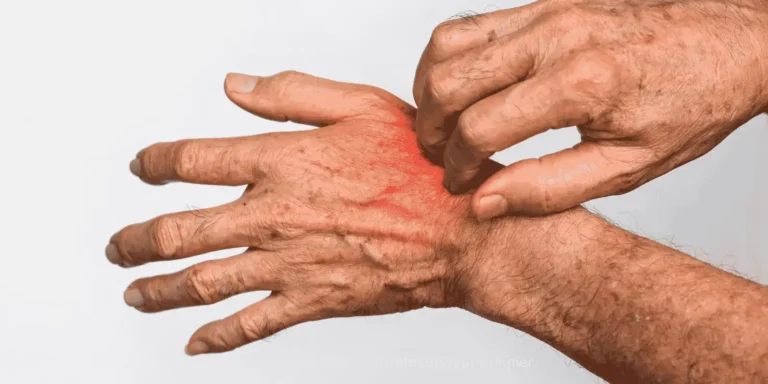
Hot, humid weather increases skin infections because heat and moisture from sweat create ideal conditions for bacterial growth on the skin, and one large pediatric study found community-associated MRSA infections rose roughly 1.85x during warmer months compared to colder ones. ChatRx can review skin infections chat-based in Indiana, Illinois, and Michigan for $25 flat, and prescribe antibiotics when treatment is warranted.
The connection between summer weather and skin infections isn’t hypothetical. Studies going back decades have shown that heat and humidity together drive a real, measurable rise in bacterial skin infections. Here’s what’s happening on the skin, which infections rise the most, and what to do about it.
The Numbers
Community-associated MRSA infections peak in early September in most US regions, with one large pediatric study finding infection rates rising roughly 1.85x in warmer months compared to colder ones. A separate four-year study of children in Maricopa County, Arizona found skin and soft tissue infection incidence climb from 3.36% to 5.55% over the study period, peaking in early September, with both temperature and humidity showing significant correlation to case counts.
Globally, similar patterns hold. Reviews of skin infection data across seven decades and multiple climate zones consistently show that warmer months bring more cases. In tropical regions, the pattern shifts to the warmest months of the year rather than a specific season. One study from India found that a combination of weekly average maximum temperature above 33°C and relative humidity of 55 to 78% is most favorable for the occurrence of Staph and MRSA skin infections.
What’s Happening on the Skin
The skin normally does a good job keeping bacteria out. A thin outer layer, an acidic pH, protective oils and antimicrobial peptides, and a shifting population of harmless bacteria that outcompete more dangerous ones. That system works well in normal conditions.
Heat and humidity disrupt it in several ways.
Sweat hydrates the outer layer of skin, softening its protective barrier. Occlusion from tight clothing, sports gear, or wet swimsuits traps that moisture against the skin for hours. Skin folds under the breasts, in the groin, across the abdomen, and behind the knees become chronically damp. Meanwhile, Staphylococcus aureus and other bacteria that live in small numbers on healthy skin multiply faster in these warm, moist environments.
Add small breaks in the skin (from shaving, sports abrasions, mosquito bites, minor cuts, or hair follicle irritation) and you have both a bacterial reservoir and a way in.
Which Infections Rise the Most
Several categories tend to spike.
Bacterial skin infections lead the list: cellulitis, impetigo, folliculitis (infected hair follicles), and abscesses driven mainly by Staph and Strep. These are the most common culprits behind summer skin-clinic visits. Community-acquired MRSA is often the harder-to-treat cousin of these Staph infections, and it shows the strongest seasonal pattern in most datasets.
Fungal infections also climb. Athlete’s foot (tinea pedis), jock itch (tinea cruris), and ringworm (tinea corporis) all thrive in warm, damp conditions. Athletes, hikers, and anyone in sweaty gear for long periods are the classic patients.
Boils and abscesses are deeper Staph infections that form pockets of pus. They often start where a hair follicle got irritated or a small cut got dirty.
Water-related infections round out the list. Swimming in warm water (pools with imperfect chlorination, lakes, hot tubs) can introduce Pseudomonas bacteria that cause “hot tub folliculitis” and other water-associated skin infections.
Who’s at Higher Risk
Anyone can get a summer skin infection, but a few groups see them disproportionately. Athletes in contact sports (wrestling, football, gymnastics) see high rates because of shared equipment, close skin contact, and small breaks in the skin from training. Kids at summer camps deal with similar exposure conditions. People with diabetes are at higher risk because their immune response and skin barrier are both affected. Anyone recently colonized with MRSA (which most people don’t know about) also has a higher risk of an active infection when conditions favor bacterial growth. And people with eczema, psoriasis, or outdoor jobs that keep them sweaty tend to see summer infections more often than average.
Prevention: What Works
Shower promptly after sweating, especially after workouts or long outdoor activity. Don’t share towels, razors, or sports equipment. Keeping skin folds dry when possible helps too, and a small amount of powder in areas that stay damp can reduce friction and moisture. Minor cuts and abrasions deserve prompt attention with soap, water, and a bandage until healed. Avoid picking at hair follicles, ingrown hairs, or acne, which can turn a minor issue into an infected one. For people with eczema or other chronic skin conditions, keeping baseline treatment consistent through the summer months matters more than in cooler seasons.
When to See a Doctor
See a doctor when a red area is spreading (draw a line around it and watch), when a lump is growing or has a soft center suggesting pus, when a bite or scratch has become hot and painful, when fever accompanies a skin change, or when a rash isn’t improving after a few days of home care.
Go to the ER for red streaks radiating from an infection (a sign the infection is moving up a lymphatic vessel), rapid spread, high fever, or any sign of systemic illness like confusion or shortness of breath. These are rare but serious.
Where ChatRx Fits
ChatRx treats cellulitis, impetigo, MRSA infection, skin infections, and boils / abscess as part of our 39 acute conditions. If you’re in Indiana, Illinois, or Michigan and dealing with an early skin infection, our doctors can review the case chat-based (often with a clear photo) and prescribe antibiotics when appropriate. $25 flat, prescription typically at your pharmacy within minutes.
For severe or fast-spreading cellulitis, deep abscesses that may need drainage, or any signs of systemic illness, our doctors will redirect you to in-person care. The free symptom checker can also help you sort what to do. No account required.
Quick Take
Hot, humid weather increases skin infections through a combination of skin barrier disruption, bacterial growth in warm damp conditions, and more opportunities for minor skin breaks. MRSA and other bacterial infections show the clearest seasonal peaks, often around early September. The playbook: shower after sweating, don’t share personal items, keep minor cuts clean and covered, and see a doctor promptly when a red area is spreading or a lump is forming pus.
Frequently Asked Questions
Some are, some aren’t. Impetigo and MRSA can spread through direct skin contact or shared items like towels and razors, so keeping the area covered and washing hands after touching it matters. Cellulitis, on the other hand, is an infection within the skin and isn’t typically spread person-to-person the same way. When in doubt, treat any draining or open infection as contagious until a doctor says otherwise.
Yes, in a practical sense. Anything that keeps skin drier for longer, air conditioning, moisture-wicking fabric, a fan aimed at sweaty skin folds, reduces the exact conditions (heat plus trapped moisture) that let bacteria multiply. It’s not a guarantee, but it’s a genuinely useful lever alongside showering after sweating.
Disclaimer
This information is provided for educational purposes only and is not intended to replace professional medical advice, diagnosis, or treatment through ChatRx. If you have questions about a medical condition, talk with a qualified healthcare provider. Services like ChatRx can help connect you with licensed physicians.