Most bacterial infections start to feel better within 48 to 72 hours of starting the right antibiotic, and some, like UTIs and strep throat, often turn the corner sooner. ChatRx doctors treat common infections through virtual urgent care in Indiana, Illinois, and Michigan for $25 flat, prescribe antibiotics when appropriate, and reassess if the expected timeline doesn’t play out.
The waiting game after starting antibiotics is one of the more anxious moments in medicine. You feel awful, and you’ve already started treatment. Now comes the part nobody warns you about: watching the clock. Here’s what to expect for the common infections.
How Long do Antibiotics Take to Work?
For most bacterial infections treated with the right antibiotic, patients notice some improvement within 48 to 72 hours. Full symptom resolution usually takes longer than symptomatic improvement.
The reason for the lag: antibiotics work by killing bacteria or stopping their growth. The dead bacteria take time to clear from the body, and the inflammation they caused takes time to resolve. You can be winning the biological battle well before you feel back to normal.
Several factors shape the timeline, including the specific antibiotic prescribed (some kill bacteria faster than others), the specific infection and location (deeper tissue infections take longer), bacterial burden at diagnosis (more severe infections take longer to clear), your own health (age, immune system, and any other medical conditions), and adherence to the full prescribed course.
Timeline by Common Infection
Urinary tract infections respond faster than most. Burning during urination typically eases within 24 to 48 hours of the first dose. Urgency and frequency improve shortly after. Full symptom resolution usually within 3 to 5 days. If you’re not noticeably better by 48 hours, contact your doctor. The bacteria may not respond to that antibiotic, the infection may be moving toward the kidneys, or something else may be causing the symptoms. Fever, back or side pain, nausea, or vomiting with a UTI need prompt in-person care. See our piece on online UTI treatment for more.
Strep throat improves significantly within 24 to 48 hours of starting antibiotics. Fever usually breaks around 24 to 48 hours. Sore throat eases over 2 to 3 days. Full resolution within a week.
Bacterial sinus infections usually start improving within 2 to 3 days. If symptoms get worse after 48 to 72 hours on antibiotics, or haven’t improved at all by day 5, check back in with your doctor. Facial pressure and nasal discharge usually ease over 3 to 5 days. Full resolution can take 7 to 10 days, especially if the sinusitis was severe or had been dragging on before antibiotics started.
Cellulitis takes a bit longer. The red area may expand slightly in the first 24 hours before stabilizing. Noticeable improvement in warmth, redness, and tenderness usually by 48 to 72 hours. Full resolution over 7 to 14 days depending on severity. Here’s a simple trick: trace the edge of the redness with a pen on day one so you can tell if it’s spreading. If it’s still spreading after 48 hours of antibiotics, or spreads fast at any point, get seen in person. See our piece on fast cellulitis treatment for more.
Impetigo and other superficial skin infections typically improve within 2 to 3 days of starting topical or oral antibiotics.
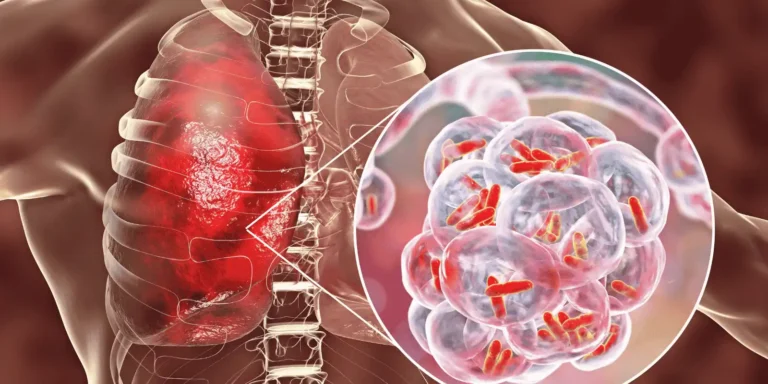
Bacterial pneumonia usually starts to improve within 48 to 72 hours on the right antibiotic, and fever typically eases during that window. Cough and tiredness often hang on for weeks, which is normal. If you’re not improving by day 3, or you feel short of breath, get reassessed in person. That visit may include a chest X-ray and a different antibiotic
Walking pneumonia (Mycoplasma) can take longer. Patients on the right antibiotic (azithromycin or doxycycline) often don’t notice dramatic improvement until 3 to 5 days in. The cough can linger for weeks even after bacteria are cleared.
Chlamydia and gonorrhea are usually cured with the right antibiotic, but they often cause no symptoms, so feeling fine isn’t the test. If you did have symptoms, they typically ease within a few days. Avoid sex for 7 days after single-dose treatment, or until a 7-day course is finished, and until your partners have been treated too. The CDC recommends retesting about 3 months after treatment because reinfection is common. Some people, including pregnant patients and anyone treated for gonorrhea in the throat, need an earlier test to confirm the infection is gone.
Bacterial ear infections in adults usually improve within 48 to 72 hours. Pain often eases faster than that.
Mild stomach upset or loose stools can be pretty common. Taking your dose with food can help, if the prescription allows it. Call your doctor if you have three or more watery stools a day, see blood, or get a fever or bad cramping. That can signal a C. diff infection, which can show up during treatment or even weeks after you finish.
Take it as soon as you remember. If it’s almost time for your next dose, skip the missed one and get back on schedule. Don’t double up. Your pharmacist can answer questions about your specific medicine.
What Should Happen in the First 48 Hours
Fever should trend down. Even if it doesn’t completely resolve, 48 hours of effective treatment usually produces lower temperatures and less frequent fever spikes.
Pain and local symptoms should ease. Not necessarily resolve, but ease.
General sense of illness (feeling sick, fatigue, poor appetite) often starts to lift as inflammation decreases.
New or worsening symptoms shouldn’t appear. If they do, something is off.
When to Reach Out If Antibiotics Aren’t Working
Contact a doctor if you’re not noticeably better after 48 to 72 hours on antibiotics for most infections, if symptoms get worse rather than better, if new symptoms develop (new fever, spreading infection, breathing difficulty), if you develop a new rash or hives, if you have severe or watery diarrhea (three or more watery stools a day), or if you can’t keep the antibiotics down because of nausea or vomiting.
For details on why antibiotics sometimes fail (wrong drug, resistance, viral misdiagnosis, absorption issues, wrong diagnosis), see our companion piece.
Go to the ER or call 911 for severe worsening despite treatment: high fever with confusion, trouble breathing, chest pain, swelling of the face, lips, or throat, a rapidly spreading skin infection with fever, or signs of sepsis like a racing heart, fast breathing, or cold, clammy skin.
What If You Feel Better Fast?
Feeling better within 24 to 48 hours is a good sign, but it isn’t permission to stop the antibiotic. The bacterial population dropping enough to relieve symptoms isn’t the same as the infection being cleared.
Complete the full prescribed course unless your doctor specifically says otherwise. Stopping early is one of the most common reasons infections rebound or develop resistance.
Where ChatRx Fits
ChatRx can review your case if an antibiotic isn’t working as expected. If you’re in Indiana, Illinois, or Michigan and the timeline doesn’t match what you’re experiencing, our doctors can review the case chat-based ($25 flat), assess whether the pattern still fits the original diagnosis, and either adjust treatment or steer you to in-person care for culture testing, imaging, or more thorough evaluation.
For any severe worsening despite treatment, ER care is the right first step. The free symptom checker can help sort what to do. No account required.
Quick Take
Most antibiotics start producing noticeable improvement within 48 to 72 hours. UTIs and strep often improve within 24 to 48 hours. Pneumonia and walking pneumonia can take 3 to 5 days to clearly turn the corner, and a cough may linger for weeks. In the first 2 days, fever should be heading down and nothing new should be getting worse. If your recovery isn’t following the expected timeline, contact the prescribing doctor rather than waiting it out. And finish the full course, even if you feel fine early.
Disclaimer
This information is provided for educational purposes only and is not intended to replace professional medical advice, diagnosis, or treatment through ChatRx. If you have questions about a medical condition, talk with a qualified healthcare provider. Services like ChatRx can help connect you with licensed physicians.