Yes, walking pneumonia is contagious. It’s caused by Mycoplasma pneumoniae, which spreads through respiratory droplets, and the contagious window can extend for weeks. ChatRx can review symptoms chat-based in Indiana, Illinois, and Michigan for $25 flat, and either prescribe appropriate antibiotics or steer you to in-person care when chest imaging is needed.
Walking pneumonia is caused by a bacterium (Mycoplasma pneumoniae) that spreads through respiratory droplets when someone coughs, sneezes, talks, or laughs. That’s one of the reasons it moves so effectively through households, classrooms, and workplaces.
Here’s how the spread works, how long you’re contagious, when symptoms should prompt a doctor’s visit, and how to keep it from spreading to the rest of your household.
What Walking Pneumonia is
Walking pneumonia is a milder form of bacterial pneumonia caused by Mycoplasma pneumoniae. It got its name from the pattern most patients follow: sick enough to be miserable, well enough to keep walking around and going about the day. That’s part of why it spreads so well. Patients often don’t feel bad enough to stay home.
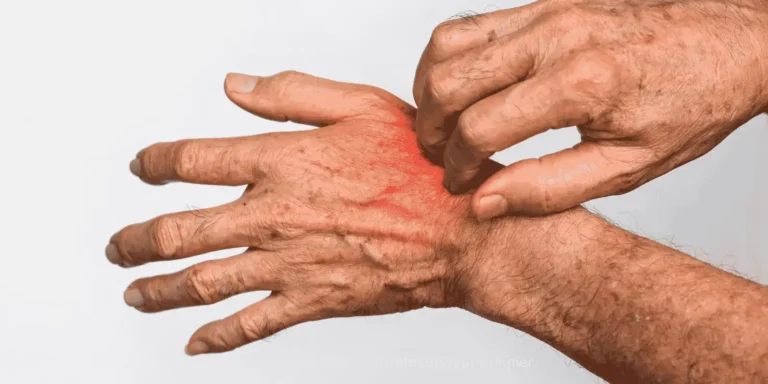
Symptoms build slowly over a week or two rather than hitting suddenly. Patients often notice a persistent dry cough that gets worse at night, low-grade fever, sore throat, fatigue, headache, and chest discomfort, occasionally with a rash.
Walking pneumonia has been elevated in several parts of the United States, following a broader trend of increased Mycoplasma activity that started in late 2024 and has persisted into 2026.
How It Spreads
Mycoplasma spreads through respiratory droplets. When an infected person coughs, sneezes, talks, laughs, or breathes hard, small droplets carrying the bacteria enter the air. Anyone nearby who inhales those droplets, or who touches a surface where droplets have landed and then touches their face, can catch it.
The transmission risk is highest in close, prolonged contact. That’s why walking pneumonia moves through households, classrooms, dormitories, workplaces, and long-term care facilities more effectively than through casual encounters.
How Long You’re Contagious
Here’s where walking pneumonia gets tricky. The incubation period runs 1 to 4 weeks, which is longer than most respiratory bugs, so someone can be carrying and spreading Mycoplasma before they ever feel sick.
The active contagious period once symptoms start is typically under 10 days, but the bacteria can linger in the respiratory tract for weeks to months in some patients, and the cough itself can drag on long after the infection has cleared. That combination, long incubation plus a stubborn cough, is why walking pneumonia moves slowly and quietly through households and classrooms.
For that reason, containment matters more than usual, and household members should watch for their own symptoms in the weeks after someone in the house is diagnosed.
Symptoms to Watch For
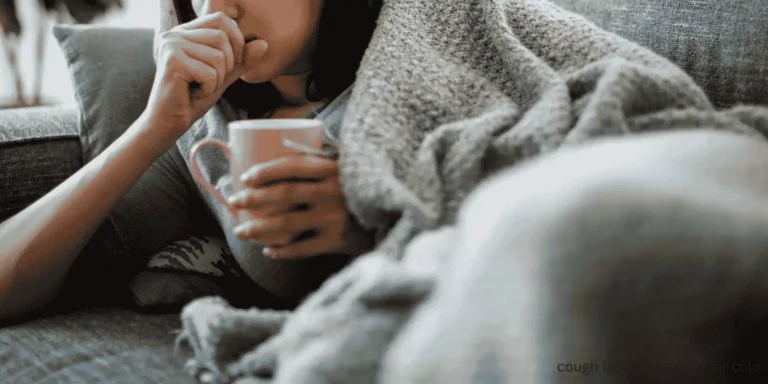
Most patients notice a stubborn dry cough that’s out of proportion to how sick they otherwise feel. The cough often gets worse at night and disrupts sleep. Low-grade fever, sore throat, headache, and fatigue usually accompany it. Chest discomfort or tightness can develop as the illness progresses.
Because the symptoms build gradually, patients often try to push through, mistaking it for a lingering cold or bronchitis. That’s part of the problem. Every day walking around infected is another day of exposure for the people around them.
When to See a Doctor
Talk to a doctor if a cough has lasted more than 2 to 3 weeks without improvement, if a fever won’t clear after 5 to 7 days, if chest discomfort is significant, if breathing becomes difficult, or if fatigue is out of proportion to how sick you look.
For anyone with asthma, immunocompromise, or a history of severe respiratory infections, the threshold should be lower. Walking pneumonia in these patients can become severe pneumonia quickly.
How It’s Treated
Walking pneumonia responds to specific antibiotic classes: macrolides (azithromycin), tetracyclines (doxycycline), or fluoroquinolones (for adults). Beta-lactam antibiotics like amoxicillin, which are first-line for many bacterial infections, don’t work against Mycoplasma. This is one reason getting the right diagnosis matters.
Treatment typically runs 5 to 10 days. Improvement usually starts within 2 to 3 days of the right antibiotic.
What to Do at Home to Prevent Spread
Cover coughs and sneezes with a tissue or the inside of your elbow, not your hand. Wash your hands frequently with soap and water. Keep shared surfaces (doorknobs, phones, remotes) clean, and mask around household members during the symptomatic phase, especially in the first several days of treatment.
Because the incubation period is so long, household members should watch for their own symptoms for several weeks after someone in the house is diagnosed, even after the sick person feels better.
Where ChatRx Fits
ChatRx treats upper respiratory infections and acute bronchitis as part of our 39 acute conditions. When symptoms suggest walking pneumonia specifically, our doctors can review the case and, if the pattern is clear enough for a chat-based diagnosis, prescribe appropriate antibiotics. Chat-based, $25 flat, in Indiana, Illinois, and Michigan.
For cases that need chest imaging to rule out more serious pneumonia, or that don’t respond as expected to first-line treatment, we’ll steer you toward in-person care. The free symptom checker can help you decide what to do next. No account required.
Quick Take
Yes, walking pneumonia is contagious. Mycoplasma spreads through respiratory droplets, and the contagious window is longer than most bacterial infections, sometimes weeks. Symptoms build gradually over 1 to 2 weeks, headlined by a stubborn dry cough that often keeps someone up at night. Standard antibiotics like amoxicillin don’t work; the right treatment is macrolides, tetracyclines, or fluoroquinolones. If a lingering cough has been going for more than 2 to 3 weeks with fatigue and low-grade fever, walking pneumonia is worth ruling in or out.
Frequently Asked Questions
The basics are the same, but kids, especially those between 2 and 4 years old, have been a bigger share of recent Mycoplasma cases than in past outbreaks. Kids may also run a more prominent fever or have a rash alongside the cough. Adults tend to get the classic slow-building dry cough and fatigue with less fever. Either way, the same warning signs (cough lasting more than 2 to 3 weeks, difficulty breathing, chest discomfort) apply regardless of age.
Yes. Having Mycoplasma pneumoniae once doesn’t make you immune. Reinfection occurs, and outbreaks tend to cycle through communities every few years as population immunity fades. If you’ve had walking pneumonia before and the same slow-building dry cough shows up again, it’s worth getting checked rather than assuming it’s something else.
Disclaimer
This information is provided for educational purposes only and is not intended to replace professional medical advice, diagnosis, or treatment through ChatRx. If you have questions about a medical condition, talk with a qualified healthcare provider. Services like ChatRx can help connect you with licensed physicians.