
Swapan KumarswapankumarEdit Profile
Poison ivy causes a specific type of contact dermatitis that shows up 12 to 72 hours after exposure, with distinctive features including linear streaks or patches where the plant touched the skin, intense itching, and often blisters that distinguish it from most other rashes. Unsure if it’s poison ivy? ChatRx can review the case through a chat-based visit in Indiana, Illinois, and Michigan.
Not every itchy summer rash is poison ivy, and not every poison ivy exposure produces an obvious rash. Knowing the difference matters because the treatment differs and severe cases can have real complications.
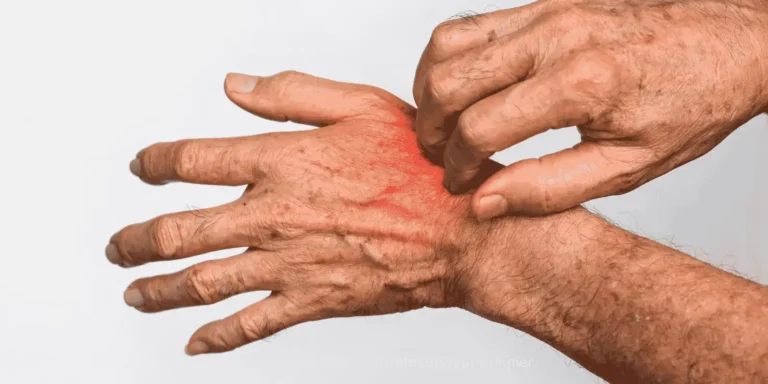
What Poison Ivy Rash Looks Like
The distinctive features of poison ivy dermatitis include the pattern (often linear streaks where the plant brushed against skin, or defined patches where you sat or leaned on the plant), the intense itching that’s often worse than the initial appearance would suggest, and the delayed onset that lets people forget about the exposure.
Blisters are common in moderate to severe cases, ranging from tiny bumps to large fluid-filled blisters that can weep or crust over.
The rash typically appears 12 to 72 hours after exposure. First-time exposures may take longer than 72 hours to appear since the immune system is being sensitized. Once sensitized, subsequent exposures produce faster and often more severe reactions.
The rash itself isn’t contagious. The oily plant residue (urushiol) is what causes it, and once you’ve washed thoroughly, you can’t spread it to another person or to another part of your body.
How Poison Ivy Differs from Other Common Summer Rashes
Several other conditions can look similar in the early stages.
Heat rash (miliaria) shows up in areas that trap heat and sweat: neck folds, waistband areas, under bras or backpack straps. It presents as tiny bumps or blisters that don’t follow a linear pattern, and it isn’t typically as itchy as poison ivy. Heat rash resolves quickly with cooler conditions.
Contact dermatitis from other sources (soap, detergent, cosmetics, metal jewelry, plants other than poison ivy/oak/sumac) can look similar but usually follows the pattern of exposure to the offending substance. Onset can be similar to poison ivy. Insect bites cluster in the areas insects can reach (exposed skin) and typically show central puncture points, often less linear than poison ivy patterns.
Eczema flares tend to occur in typical distributions (behind knees, inside elbows, wrists, ankles) and often have a history of chronic recurrence. Ringworm (fungal infection) has raised, ring-like borders with clearer centers, usually without blistering and slow-spreading.
Cellulitis is warm, red, tender, and expanding, usually without the intense itch of poison ivy, and it often comes with fever. Hives (urticaria) are raised welts that come and go over hours, not fixed like poison ivy.
When You Should Suspect Poison Ivy
The pattern to look for: exposure to plants or outdoor environments (hiking, gardening, yardwork) within the past 3 days, rash appearing 12 to 72 hours after suspected exposure, linear streaks or patches on skin that was exposed to the plant, intense itching, and possible blisters (especially in areas with heaviest exposure). The rash may spread over a few days as the oil affected additional areas before you washed it off.
What to Do If You’ve Been Exposed
Within the first 30 minutes to 2 hours after exposure, rinse the affected skin with soap and cool water. This can prevent or reduce the reaction. Wash any clothing and gear that might have picked up the oil, since the oil can persist on fabric, tools, and pet fur for months to years.
Once the rash appears, focus on relief. Cool compresses reduce itching. Calamine lotion or hydrocortisone cream (over-the-counter strength) helps mild to moderate cases. Oral antihistamines like diphenhydramine (Benadryl) or loratadine can reduce itching, especially at night. Colloidal oatmeal baths soothe widespread rash.
Avoid scratching. Scratching doesn’t spread the rash but can lead to skin infection. Keep nails trimmed short. Cover blisters loosely if they’re likely to break.
Dogs and cats are rarely bothered by urushiol themselves, but the oil sticks to their fur and can transfer to your skin when you pet or brush them. If your pet’s been in the woods or brush, it’s worth wiping them down (with gloves on) before snuggling up.
No. The fluid inside poison ivy blisters is your body’s own fluid, not the urushiol oil, so it can’t spread the reaction. The rash only shows up where the oil actually touched your skin, even if that shows up on different parts of your body at different times as it absorbs.
When to See a Doctor
See a doctor if the rash covers a large area of the body (roughly 25% or more of skin surface), if it involves sensitive areas like the face, eyes, genitals, or inside the mouth, if severe blistering develops, if the rash isn’t improving with OTC treatment after several days, if signs of skin infection appear (increasing redness, warmth, pus, fever), or if you’re immunocompromised.
Go to the ER for any significant facial swelling, throat swelling, or difficulty breathing (potential severe allergic reaction), or for signs of anaphylaxis.
For severe cases, doctors often prescribe oral steroids like prednisone, which are often effective in speeding up recovery. Topical prescription steroids are another option for smaller but stubborn cases.
Where ChatRx Fits
ChatRx treats skin infections and various rash-related conditions as part of our 39 acute conditions. If you’re in Indiana, Illinois, or Michigan and not sure what type of rash you are dealing with, our doctors can review your case via chat and prescribe treatment when appropriate. Chat-based, $25 flat.
For rashes involving the face, eyes, genitals, or large body areas, or for anything requiring urgent evaluation, our doctors will steer you to in-person care. The free symptom checker can also help sort what to do. No account required.
Quick Take
Poison ivy has distinctive features: exposure to plants outdoors, delayed onset within 12 to 72 hours, linear streaks or patches on exposed skin, intense itching, and often blisters. Other common summer rashes (heat rash, insect bites, eczema flares, ringworm, cellulitis) have different patterns. Wash exposed skin quickly if you catch it early. Treat mild cases with cool compresses, calamine lotion, hydrocortisone cream, and antihistamines. See a doctor for large areas, facial or genital involvement, severe blistering, signs of infection, or slow improvement.
Disclaimer
This information is provided for educational purposes only and is not intended to replace professional medical advice, diagnosis, or treatment through ChatRx. If you have questions about a medical condition, talk with a qualified healthcare provider. Services like ChatRx can help connect you with licensed physicians.