Something is going on with your skin. It’s red, irritated, and you’re not sure if you should put cream on it, take an antihistamine, or call a doctor. Rashes, hives, and skin infections can all look similar at first glance, but they come from different causes and require different treatments.
After 30 years of examining skin complaints, here’s how I help patients tell them apart.
Start with ChatRx’s Free Symptom Checker
ChatRx’s free symptom checker evaluates your skin symptoms in about 2 minutes and helps determine whether you’re dealing with an allergic reaction, an infection, or irritation. Getting the right answer first saves you from using the wrong treatment.
What Rashes Tell You
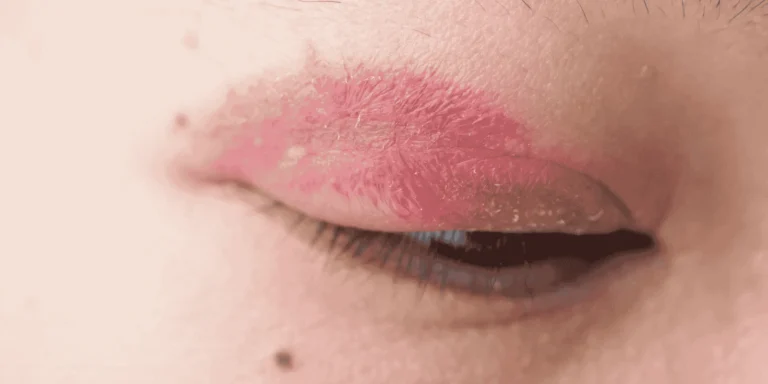
Rashes are a broad category. Contact dermatitis from soaps, detergents, or plants like poison ivy creates red, itchy patches where the irritant touched skin. Eczema produces dry, scaly patches that appear in the same spots repeatedly. Heat rash shows up as tiny red bumps where sweat gets trapped.
Most rashes stay localized and improve when you remove the trigger.
What Hives Tell You
Hives are your body’s allergic alarm system. They appear as raised, itchy welts that can show up anywhere. Individual hives fade within 24 hours, but new ones may keep appearing. They often arrive in response to foods, medications, insect stings, or allergens.
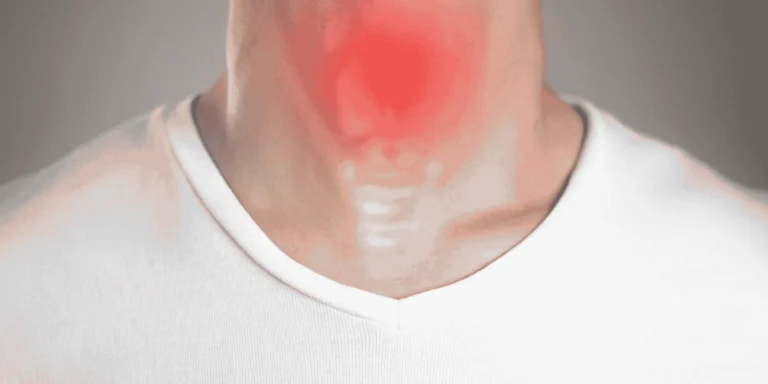
Hives that accompany difficulty breathing, throat swelling, or dizziness need emergency care immediately.
What Skin Infections Look Like
Bacterial infections like cellulitis and impetigo behave differently. They produce warmth, swelling, and redness that spreads from a central point. The area feels tender rather than itchy. Impetigo develops honey-colored crusts, often around the nose and mouth.
Infections get progressively worse without treatment. Rashes and hives tend to fluctuate or improve on their own.
The Spreading Test
If the red area expands daily with increasing warmth and tenderness, think infection. If it fluctuates, moves around, or responds to antihistamines, think allergic reaction. If the red area stays in one place and itches, think contact rash.
Commonly Asked Questions
Rashes are typically not contagious, but it depends on the cause.
Hives are not contagious.
Infections can be contagious, depending on the source of the infection.
Yes. Scratching can break the skin, allowing bacteria in — leading to infections like impetigo.
Same-Day Treatment Through ChatRx
If infection is likely, a chat-based e-visit costs $25. No video call. If antibiotics are needed, the prescription goes to your pharmacy that same day.
A Recent Patient Story
A construction worker contacted ChatRx with a red, spreading patch on his forearm, which he assumed was a rash from work gloves. Our assessment identified progressive warmth and swelling consistent with cellulitis. Antibiotics stopped the spread within 48 hours. Without treatment, it could have become serious.
The Bottom Line
Rashes, hives, and infections need different treatments. Getting the right diagnosis first prevents wasted time and money. ChatRx provides fast skin assessment and same-day prescriptions for $25.
This information is provided for educational purposes only and is not intended to replace professional medical advice, diagnosis, or treatment through ChatRx. If you have questions about a medical condition, talk with a qualified healthcare provider. Services like ChatRx can help connect you with licensed physicians.