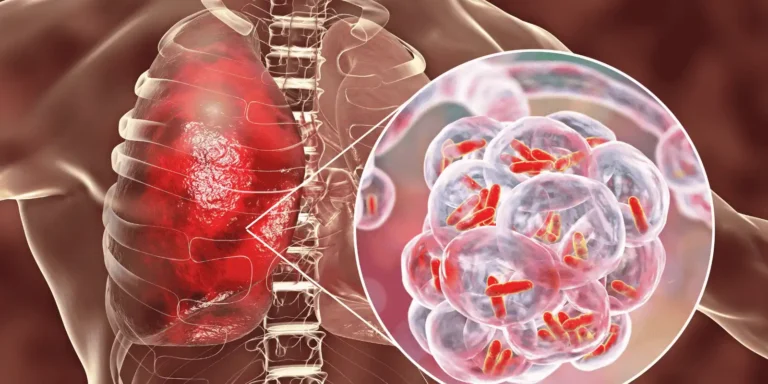
Wheezing without asthma can be caused by acute bronchitis, allergies, respiratory infections, GERD, exercise-induced airway constriction, or in some cases more serious conditions like heart failure or a foreign body in the airway. ChatRx can review symptoms chat-based in Indiana, Illinois, and Michigan for $25 flat and treat conditions like bronchitis or upper respiratory infections, but persistent or unexplained wheezing needs in-person evaluation to identify the cause.
Wheezing is one of those symptoms that makes people assume asthma, but there are plenty of other reasons airways make that high-pitched whistling sound. Here’s what’s likely happening and when it needs a doctor’s evaluation.
What Wheezing Is
Wheezing is a high-pitched, whistling sound that comes from air moving through narrowed airways. It’s usually more prominent on the exhale, though severe cases can be heard on both inhale and exhale. The narrowing can happen anywhere in the airway, from the vocal cords down to the smallest bronchioles.
Wheezing is different from other breathing sounds worth knowing. Stridor is a harsher, more strained sound usually heard on inhale, and it points to blockage in the upper airway (larynx, trachea) rather than the lower airways. Rhonchi are lower-pitched rumbling sounds from mucus in the larger airways, while crackles are popping sounds that suggest fluid or opening of small airways.
The Common Causes Beyond Asthma
Acute bronchitis is the most common cause of new wheezing in adults without asthma. Viral bronchitis causes inflammation and mucus production in the bronchi, narrowing the airways. Wheezing often accompanies a productive cough and may last 2 to 3 weeks even after the acute illness resolves.
Other respiratory infections including flu, COVID-19, RSV in adults, and pneumonia can all cause wheezing through airway inflammation and fluid accumulation. After a bad respiratory illness, some patients develop post-viral airway hyperreactivity, where the airways remain twitchy and can wheeze in response to cold air, exercise, strong smells, or irritants for weeks after the infection resolves.
Allergies are another common cause, whether new or worsening. Seasonal allergies, pet dander, dust, mold, and food allergies can all trigger wheezing through airway inflammation and mucus production. Acid reflux (GERD) can also cause wheezing, especially at night, when small amounts of stomach acid make their way into the airway, irritate the tissues, and trigger narrowing. It’s often paired with hoarseness, chronic cough, or morning throat clearing.
Exercise-induced bronchoconstriction affects some people during or shortly after intense exercise, and it’s related to but distinct from exercise-induced asthma. Vocal cord dysfunction is another possibility, where the vocal cords close abnormally during breathing. It’s often mistaken for asthma but doesn’t respond to inhalers, and it usually shows up during exercise, stress, or exposure to specific triggers.
When Wheezing Signals Something More Serious
Some causes of wheezing need urgent evaluation.
Foreign body aspiration should be considered whenever wheezing starts suddenly, especially in children after choking on food or a small object, or in adults after a coughing spell during eating. The wheeze is often localized to one side of the chest. This needs prompt evaluation to prevent airway compromise.
Anaphylaxis (severe allergic reaction) can cause wheezing along with hives, facial swelling, throat tightness, and difficulty breathing. This is a medical emergency. Use epinephrine (if available) and call 911.
Heart failure can cause wheezing (sometimes called “cardiac asthma”) along with shortness of breath that’s worse when lying flat, leg swelling, and fatigue. This can look like asthma but responds to different treatment. COPD (chronic obstructive pulmonary disease) causes wheezing, most often in smokers or former smokers, often with chronic cough and shortness of breath on exertion. Pulmonary embolism (blood clot in the lung) can cause wheezing along with sudden shortness of breath, chest pain, and rapid heart rate, and it’s also a medical emergency. Lung cancer occasionally causes wheezing, particularly if a tumor is blocking an airway.
When to See a Doctor (vs Go to the ER)
See a doctor promptly when new wheezing shows up without an obvious cause, when wheezing continues more than 2 weeks after a respiratory infection, when wheezing recurs episodically, when it comes with worsening shortness of breath or reduced exercise tolerance, when it wakes you from sleep, or when it doesn’t respond to home measures.
Go to the ER for wheezing with severe shortness of breath at rest, wheezing with chest pain, wheezing that comes with lightheadedness or fainting, wheezing after possible aspiration, wheezing with signs of anaphylaxis (hives, facial swelling, throat tightness), or wheezing in anyone with a history of heart disease and new symptoms.
Yes. Wheezing comes from airway narrowing, not from the cough itself. Allergies, mild asthma, and early bronchoconstriction can all cause a whistling sound with little or no cough, especially early on.
Anxiety and panic can tighten the throat and chest and produce a wheeze-like sound, though it’s often vocal cord tightening rather than true lower-airway wheezing.
What to Do at Home
For mild wheezing from a suspected acute bronchitis or viral illness, supportive care helps. Rest and hydration are the basics. Humidified air can help. Warm liquids soothe irritated airways. Avoid known triggers like smoke, strong perfumes, and cold outdoor air when possible.
Over-the-counter cough medications provide limited benefit and don’t address the underlying airway inflammation. Bronchodilators (like albuterol) aren’t over the counter and require a prescription based on a doctor’s evaluation.
Where ChatRx Fits
ChatRx treats acute bronchitis, upper respiratory infections, influenza, COVID-19, and other conditions that can cause wheezing as part of our 39 acute conditions. If you’re in Indiana, Illinois, or Michigan and dealing with wheezing that clearly relates to one of these acute infections, our doctors can review the case chat-based and prescribe treatment when appropriate. Chat-based, $25 flat.
For persistent or unexplained wheezing, wheezing with any warning signs, or suspected asthma or COPD needing formal workup, in-person evaluation is the right move. Our doctors will steer you there. The free symptom checker can also help sort what to do. No account required.
Quick Take
Wheezing without asthma is common and has many possible causes. Acute bronchitis, respiratory infections, allergies, GERD, exercise-induced bronchoconstriction, and post-viral airway hyperreactivity account for most cases in otherwise healthy adults. More serious causes include heart failure, COPD, aspiration, and anaphylaxis, which need urgent evaluation. See a doctor when wheezing is new without cause, persistent past a respiratory illness, or paired with warning signs. Go to the ER for wheezing with breathing difficulty at rest, chest pain, or signs of allergic reaction.
Disclaimer
This information is provided for educational purposes only and is not intended to replace professional medical advice, diagnosis, or treatment through ChatRx. If you have questions about a medical condition, talk with a qualified healthcare provider. Services like ChatRx can help connect you with licensed physicians.