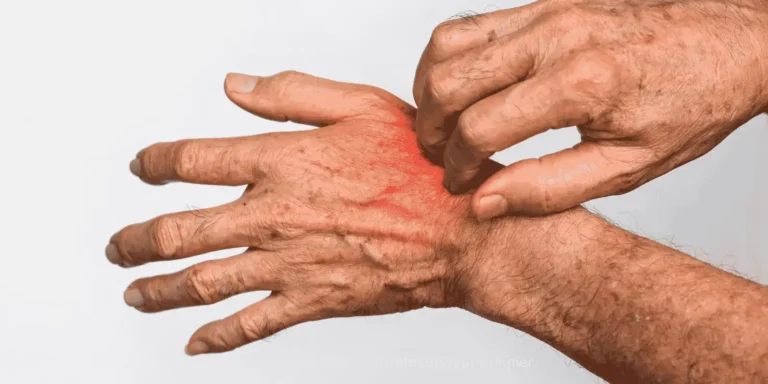
Your child breaks out in a red rash during spring and your mind goes straight to measles. Before you panic, know that most spring rashes in kids are not measles. Allergic reactions, viral rashes, and eczema flares are far more common this time of year.
But you need to know the difference, because measles is serious and contagious. After 30 years of treating kids and families, here’s what I look for.
Start with ChatRx’s Free Symptom Checker
If your child has a rash and you’re unsure what’s causing it, ChatRx’s free symptom checker takes about 2 minutes and helps sort out common rash patterns.
What the Measles Rash Looks Like
Measles doesn’t start with a rash. It starts with 3 to 5 days of high fever, cough, runny nose, and red watery eyes. Then the rash appears, beginning at the hairline and face before spreading downward to the trunk, arms, and legs over 2 to 3 days.
The rash appears as flat red spots that may merge together. Small bluish-white specks inside the cheeks, called Koplik spots, can appear before the skin rash and are unique to measles.
Common Spring Rashes that aren’t Measles
Allergic rashes appear suddenly after exposure to pollen or new soaps. They’re patchy, itchy, and don’t follow the head-to-toe progression. No fever or cold symptoms accompany them.
Roseola causes high fever for 3 to 5 days in toddlers, then a non-itchy rash appears as the fever breaks. The rash stays mainly on the trunk and fades quickly.
Fifth disease produces a bright red “slapped cheek” rash followed by a lacy pattern on the body. A low-grade fever or cold symptoms may precipitate the rash. By the time the rash appears, the child is usually no longer contagious.
When to Suspect Measles
Unvaccinated children who develop fever, cough, runny nose, and red eyes followed by a spreading rash need immediate evaluation. Measles is rare in vaccinated populations but still occurs in communities with lower vaccination rates.
Frequently Asked Questions
The MMR vaccine is highly effective:
After 1 dose: about 93% effective at preventing measles
After 2 doses: about 97% effective
In the rare cases where a vaccinated person does get measles, the illness is usually milder and less likely to cause complications.
1. Check your vaccination status.
2. Watch for symptoms (7-21 days post-exposure)
3. Avoid close contact with people who are unvaccinated, pregnant, or immunocompromised until you know you’re not infected
Same-Day Assessment through ChatRx
You’ve ruled out measles, now what? For non-measles rashes needing treatment, a chat-based e-visit costs $25. If a skin infection or allergic reaction requires medication, the prescription is sent to your pharmacy that same day. No video call required.
A Recent Patient Story
A mom contacted ChatRx, worried about red spots on her toddler’s chest. No fever, no cold symptoms, no eye redness. Our assessment identified contact dermatitis from a new laundry detergent. Simple treatment, measles scare avoided.
The Bottom Line
Most spring rashes aren’t measles, but knowing the differences matters. ChatRx helps you sort it out fast with a free symptom checker and $25 e-visits when treatment is needed.
This information is provided for educational purposes only and is not intended to replace professional medical advice, diagnosis, or treatment through ChatRx. If you have questions about a medical condition, talk with a qualified healthcare provider. Services like ChatRx can help connect you with licensed physicians.