Spring and summer in the Midwest mean grass, woods, and ticks. Most bites cause nothing. Some cause something serious. The trick is knowing what to watch for, and how long to watch.
Here’s how to read what’s happening after a tick has been pulled off.
Right after the Bite (First 24 to 72 Hours)
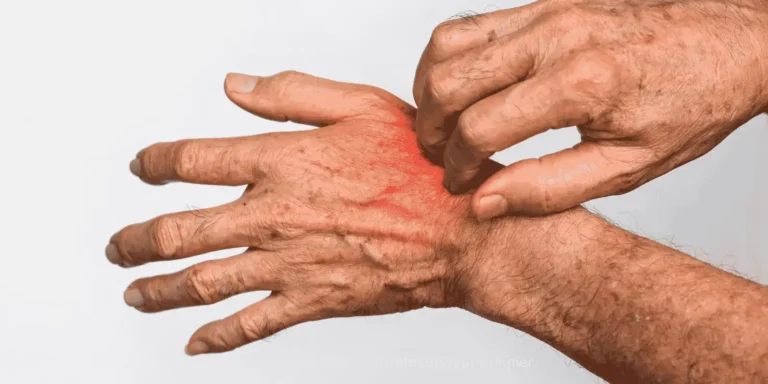
A normal tick bite reaction looks like a mosquito bite. A small red bump, mild itching, maybe a little swelling. It’s annoying, not alarming. It should fade within a few days.
The bite itself doesn’t tell you whether the tick was carrying something. Most ticks aren’t. And even if they were, infection doesn’t show up in the first three days.
What you want to do in this window: clean the bite with soap and water, dab on a bit of antiseptic, and write down the date. That last part matters. You may need it later.
Snap a Photo
If you can, take a picture of the tick before you throw it away. Better yet, save the tick itself in a sealed bag or small container. If you develop symptoms in the next few weeks, knowing what kind of tick bit you can shorten the diagnostic process and steer treatment.
Sounds extra. But it’s the move every family medicine doctor wishes patients would make.
Days 3 to 30: The Window that Matters
Tick-borne illnesses don’t move fast. They take their time. Most show up 3 to 30 days after the bite. That’s why a normal-looking bite today doesn’t mean you’re in the clear next month.
Watch for:
The bullseye rash. A red circle with a clearer ring inside, often expanding outward. Classic for Lyme disease, though not everyone with Lyme gets one. If you see it, call a doctor.
Fever, chills, headache. Especially within 1 to 3 weeks of a bite. These are nonspecific symptoms, but in the context of a recent tick bite, they’re worth taking seriously.
Muscle and joint aches. Often shifting from one joint to another. Common in Lyme, less common in other tick-borne illnesses.
Fatigue out of proportion to anything you did. Wiped out for no reason, for days.
A spotted rash on wrists, ankles, or palms. This pattern, paired with fever, can point to Rocky Mountain Spotted Fever. It’s more common in the Southeast, but Indiana and Illinois both report cases every year, mostly in the southern portions of each state.
When Antibiotic Prevention Is an Option
In some cases, a single dose of doxycycline given within 72 hours of a tick bite can prevent Lyme disease. The criteria are specific:
- The bite was from a deer tick (Ixodes scapularis)
- The tick was attached for 36 hours or more
- You’re in an area where Lyme is common
- Less than 72 hours have passed since the tick came off
If you check those boxes, a doctor can prescribe a single dose. One pill. Done. A single dose of doxycycline taken within 72 hours of a high-risk tick bite has been shown to reduce Lyme disease by nearly 90%.
This is one of the quiet wins in medicine. Most people don’t know it exists.
Yes, avoid both. Those methods are folklore. Petroleum jelly, nail polish, heat, and similar approaches can actually cause the tick to regurgitate into the bite, which increases transmission risk. The right tool is a pair of fine-tipped tweezers. Grip the tick as close to the skin surface as possible, pull upward with steady even pressure, and don’t twist or jerk. Straight up, slow and steady.
No, and this surprises a lot of people. Ticks are active any time temperatures are consistently above freezing, roughly 35°F or higher. In Indiana, Illinois, and Michigan that means tick season can run from early March through November in a mild year. December through February are the only reliably low-risk months. Warm fall days after a mild winter are when people get caught off guard most often.
When to See a Doctor
Talk to a doctor if:
- The tick was attached for more than 36 hours (or you don’t know how long)
- A rash develops, especially a bullseye
- You get a fever within a month of the bite
- You feel flu-ish, achy, or unusually tired
- The bite site looks infected (red, warm, oozing, expanding past the size of a quarter)
Get to the ER if you have severe headache with neck stiffness, sudden facial weakness, irregular heartbeat, or trouble breathing. Rare, but real.
Where ChatRx Fits
ChatRx treats tick bite prophylaxis as one of our 39 acute conditions. If you’ve had a recent tick bite and meet the criteria above, our doctors can review your case and prescribe preventive antibiotics. Chat-based, no waiting room. Twenty-five dollars, flat. Available in Indiana, Illinois, and Michigan.
If you’ve already got symptoms that point to a real tick-borne illness, that’s usually beyond the scope of virtual urgent care. We’ll say so and steer you toward in-person care, fast.
The free symptom checker can help you sort whether what you’re feeling needs urgent attention. No account required.
The Quick Version
Most tick bites are nothing. A small percentage matter. The first three days are mostly about cleaning the bite and writing down the date. The 3-to-30-day window is where you watch for trouble. A bullseye, a fever, aches that don’t add up, those are the signs that mean call a doctor.
When in doubt, get checked. Tick-borne illnesses are far easier to treat early than late.
This information is provided for educational purposes only and is not intended to replace professional medical advice, diagnosis, or treatment through ChatRx. If you have questions about a medical condition, talk with a qualified healthcare provider. Services like ChatRx can help connect you with licensed physicians.