Flu season winds down by March, and most people assume the worst is over. But strep throat doesn’t follow the same calendar. Strep cases actually peak in late winter and early spring, right when everyone lets their guard down.
I see more strep throat in March through May than almost any other time of year.
Start with ChatRx’s Free Symptom Checker
Sore throat with fever? ChatRx’s free symptom checker takes about 2 minutes and helps determine whether your symptoms match the strep pattern or look more like a virus. Completely free.
Why Strep Surges in Spring
Streptococcus bacteria spread through respiratory droplets and thrive in close-contact settings. Schools, offices, and daycare centers are still packed in spring. Kids pass it to each other, then bring it home to parents and siblings.
The bacteria don’t care that flu season ended. As long as people share indoor spaces, touch common surfaces, and spend time in crowded rooms, strep keeps moving through communities.
How to Spot Strep vs a Viral Sore Throat
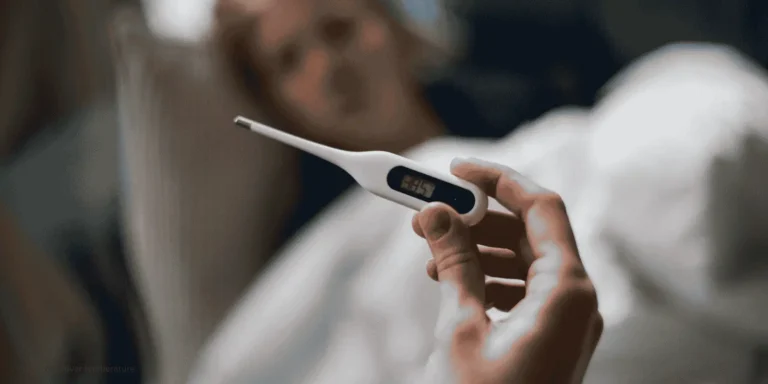
Strep hits suddenly. Fine one evening, miserable the next morning. Severe throat pain, fever over 101 degrees, swollen lymph nodes, and sometimes white patches on your tonsils. Headache and stomachache are common in kids.
The giveaway is what’s missing. Strep rarely causes cough, runny nose, or hoarseness. If you have those symptoms alongside your sore throat, a virus is more likely and antibiotics won’t help.
Why Strep needs Antibiotics
Unlike viral sore throats that resolve on their own, strep requires antibiotics. Left untreated, strep can lead to rheumatic fever, kidney complications, and peritonsillar abscess. These complications can develop even after your throat starts feeling better. Starting antibiotics within 9 days of symptoms prevents most serious complications.
Most people feel significantly better within 24 to 48 hours of starting treatment and become non-contagious within a day.
Same-Day Treatment through ChatRx
If strep is likely, a chat-based e-visit costs $25. You answer symptom questions through our system. No video call. If antibiotics are appropriate, the prescription goes to your pharmacy that same day.
Yes. Replace your toothbrush 24-48 hours after starting antibiotics to prevent reinfection.
You may feel worse at night or in the mornings with strep. Your throat dries out, you swallow less, and your inflammatory response is working harder. To prevent feeling worse at night, you can:
– Drink fluids before bed
– Use a humidifier
– Sleep in a slightly elevated position
– Take pain relief medications if appropriate
A Recent Patient Story
A dad messaged ChatRx in April when his daughter came home from school with sudden throat pain and a 102-degree fever. No cough, no runny nose. Classic strep pattern. She started antibiotics that evening and was back in school two days later. The whole family avoided catching it because treatment started fast.
The Bottom Line
Strep throat peaks in spring, not winter. Don’t dismiss your sore throat as allergies when fever and sudden onset say otherwise. ChatRx provides fast strep assessment and same-day prescriptions for $25.
This information is provided for educational purposes only and is not intended to replace professional medical advice, diagnosis, or treatment through ChatRx. If you have questions about a medical condition, talk with a qualified healthcare provider. Services like ChatRx can help connect you with licensed physicians.