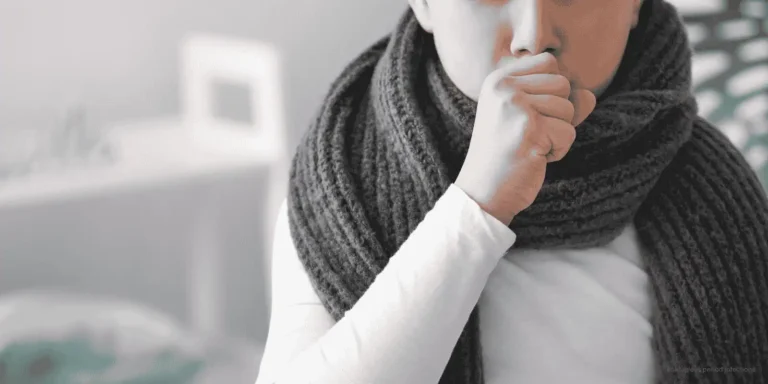
A cough lingering after a cold is called post-viral cough, and it can last up to 8 weeks in otherwise healthy adults because the airway takes time to heal from the inflammation left by the infection. ChatRx can review your symptoms chat-based in Indiana, Illinois, and Michigan for $25 flat, treat any secondary infections like acute bronchitis or sinusitis, and steer you to further evaluation if the cough persists past that window.
A cold that seems otherwise gone but left a cough behind is one of the more frustrating outcomes of respiratory illness. The good news is that this pattern is normal and expected. Here’s what’s happening in your airway, how long you should expect it to take, and when to worry.
What’s Happening in Your Airway
During a cold, the virus damages the lining of the airways. The immune response causes inflammation, increased mucus production, and hypersensitivity in the nerves that trigger the cough reflex.
When the virus itself is cleared, that damage doesn’t repair overnight. The airway lining takes weeks to fully regenerate. The nerve hypersensitivity that developed during the infection can persist even longer, meaning cold air, strong smells, exercise, or minor irritants that wouldn’t normally trigger a cough can still set one off.
Post-nasal drip is often part of the picture. Sinus and nasal tissues that were inflamed during the cold continue producing more mucus than usual for a while, and that mucus dripping down the back of the throat keeps triggering the cough reflex.
How Long “Normal” Post-Viral Cough Lasts
For otherwise healthy adults, a post-viral cough lasting up to 8 weeks after a viral respiratory infection is within the range of normal. Most cases resolve within 3 to 4 weeks.
That timeline is longer than most patients expect. If your cold otherwise cleared but the cough remains at week 2 or 3, it’s likely still post-viral healing. It doesn’t necessarily mean anything is wrong.
For our fuller breakdown of persistent cough categories (acute, subacute, chronic), see our piece on why your cough isn’t going away.
Usually not, once the cold itself has cleared. The virus is gone. What’s left is airway irritation and inflammation, not an active infection. You’re not likely to pass anything along by coughing at this stage.
Light to moderate exercise is usually fine and won’t slow healing. Cold air and hard breathing can trigger the cough reflex, though, so don’t be surprised if a run outside sets off a coughing fit. If exercise consistently triggers coughing, that’s worth mentioning to a doctor. It can be a sign of cough-variant asthma.
The Other Reasons a Cough Lingers after a Cold
Not every post-cold cough is post-viral. A few other patterns are worth knowing.
Sinusitis can develop during or after a cold. Bacterial sinus infection typically shows up with facial pressure, thick discolored mucus, and symptoms lasting past day 10 without improvement. The cough from post-nasal drip continues until the sinusitis is treated.
Acute bronchitis (viral or bacterial) can turn a lingering cough into a more productive one with chest congestion and sometimes wheezing. Most viral bronchitis resolves on its own, and bacterial cases sometimes benefit from antibiotics.
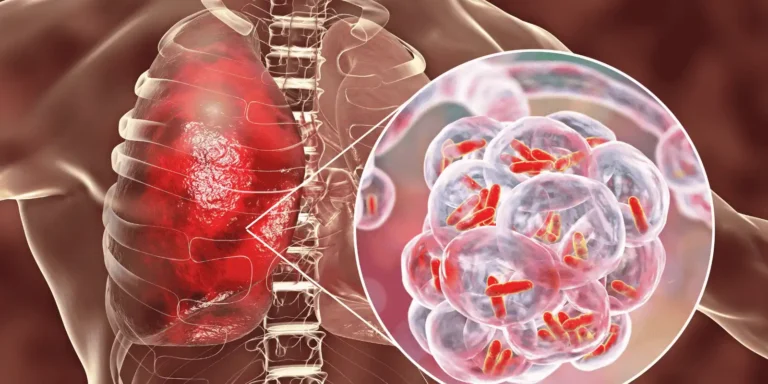
Walking pneumonia (Mycoplasma) tends to circulate in multi-year cycles and can surge locally. It can present as a “cold that never got better” with a stubborn, dry cough that gets worse at night. See our piece on walking pneumonia for more.
Cough-variant asthma can be triggered or unmasked by a bad cold. If you find yourself coughing after exercise, in cold air, or laughing, and it lasts more than a few weeks, this is worth investigating.
Acid reflux (GERD) can be worsened by the physical stress of a bad cold. If cough is worse at night or when lying flat, reflux may have layered on top of the post-viral cough.
When It’s More than Post-Viral
Some patterns should prompt a doctor’s evaluation earlier than the 8-week mark.
A cough that’s getting progressively worse rather than gradually improving is a concerning sign. So is a cough that produces blood, colored phlegm, or is accompanied by fever after the initial cold resolved. Shortness of breath at rest, chest pain, unintentional weight loss, or night sweats all warrant prompt attention.
For anyone with underlying lung disease, immunocompromise, or significant smoking history, the threshold for evaluation should be lower than 8 weeks.
What helps Recovery
The airway heals on its own with time. A few things can support that process.
Humidified air, especially at night, helps. Dry indoor air prolongs airway irritation. Honey (a spoonful before bed) has evidence supporting cough suppression in adults and children over 1 year old. Cough drops can help with the irritation trigger.
Avoid airway irritants. That means no smoking, no vaping, and minimizing exposure to smoke, strong perfumes, and cleaning chemicals. Cold air can trigger the sensitized cough reflex, so a scarf over the mouth in winter helps.
Stay hydrated. Water thins mucus and reduces post-nasal drip. Elevate the head of the bed if reflux or post-nasal drip is contributing.
When to See a Doctor
For a healthy adult, contact a doctor for a lingering cough if the cough has lasted more than 3 weeks and isn’t clearly improving, if it comes with any red flag symptoms (blood in cough, weight loss, night sweats, shortness of breath, chest pain), if the cough gets worse rather than better, if you develop fever after the initial illness resolved, or if the cough is significantly interfering with sleep and daily life.
For anyone with lung disease, immunocompromise, cancer history, or significant smoking history, the threshold to seek care should be lower.
Where ChatRx Fits
For a lingering cough related to acute conditions in our scope (acute bronchitis, sinusitis, upper respiratory infection, suspected walking pneumonia), ChatRx can review the case and prescribe when appropriate. If you’re in Indiana, Illinois, or Michigan, our doctors can help chat-based, $25 flat.
For cough evaluation that needs a chest x-ray, breathing test (spirometry), or workup for chronic conditions like asthma or COPD, primary care or a pulmonologist is the right stop. Our doctors will steer you there. The free symptom checker can also help sort what to do. No account required.
Quick Take
A cough that lingers up to 8 weeks after a cold is within the normal range for post-viral recovery in healthy adults. The airway takes time to fully heal after viral damage, and nerve hypersensitivity can persist even longer. Home care with humidified air, avoiding irritants, honey at bedtime, and hydration supports recovery. See a doctor if the cough is getting worse, produces blood, comes with weight loss or shortness of breath, or persists past 8 weeks without improvement.
Disclaimer
This information is provided for educational purposes only and is not intended to replace professional medical advice, diagnosis, or treatment through ChatRx. If you have questions about a medical condition, talk with a qualified healthcare provider. Services like ChatRx can help connect you with licensed physicians.