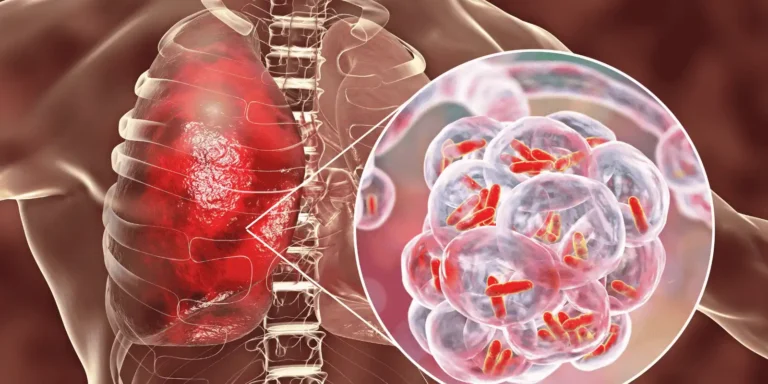
Coughing up blood (called hemoptysis) can range from minor causes like an aggressive cough tearing small blood vessels to serious conditions like pneumonia, blood clots, or lung disease that need immediate evaluation. ChatRx can help evaluate the cause in Indiana, Illinois, and Michigan when the amount is small and clearly from a minor source, but any significant bleeding or unclear cause warrants in-person or ER care right away.
Coughing up blood is one of the more alarming symptoms in medicine, and appropriately so. The amount matters. So does the color, and what you were doing when it happened. Here’s how to think about what’s going on and when to seek immediate care.
What Counts as “Coughing Up Blood”
The medical term is hemoptysis. It refers to blood coming from the lungs or airways below the vocal cords, coughed up through the mouth.
Small amounts (a streak of blood in phlegm, a few pinkish drops) are more common and often have benign causes. Larger amounts (frank blood, bloody sputum in noticeable quantities, or brisk bleeding) are much more serious and always warrant immediate evaluation.
Sometimes blood you cough up isn’t from the lungs at all. Nosebleeds can drain into the throat and get coughed up. Gum bleeding, tooth extraction, tonsil issues, and throat irritation can all produce blood that gets coughed up but didn’t come from the airway. Blood from the digestive tract (from ulcers or esophageal issues) is a different concern called hematemesis, and usually looks darker or coffee-ground colored.
When You Should Skip This Article and Call for Help Now
Some situations warrant immediate 911 or ER care regardless of anything else.
Call 911 or go to the ER immediately if:
- You’re coughing up more than a few teaspoons of blood
- The bleeding is continuous or brisk
- You have difficulty breathing or chest pain with the blood
- You feel lightheaded, weak, or like you might faint
- You have a history of blood clots or are on blood thinners
- You have a history of lung cancer or serious lung disease
- The blood is bright red and in noticeable quantity.
Don’t drive yourself if you’re bleeding significantly. Call an ambulance.
The Common Causes of Small-Amount Hemoptysis
Small streaks of blood in phlegm or a few pinkish drops during illness are usually caused by less serious conditions.
Aggressive coughing during a bad cold, bronchitis, or flu can rupture small blood vessels in the airways, producing streaks of bright red blood in phlegm. This is common and usually resolves quickly as the underlying illness resolves.
Sinus infections and post-nasal drip can cause blood-tinged mucus, especially in the morning, as inflamed sinus tissues bleed a small amount that gets coughed up.
Recent nasal or dental procedures, nosebleeds, or oral irritation can produce blood that gets swallowed or coughed up without coming from the airway.
Acute bronchitis, whether viral or the less common bacterial type, can cause blood-tinged sputum along with a productive cough. It usually clears on its own with rest and fluids. Antibiotics are used only when a bacterial cause is confirmed.
Causes That Need Prompt Evaluation
Even when the amount is small, some causes warrant a doctor’s evaluation the same day or within 24 hours.
Pneumonia can cause bloody or rust-colored sputum along with fever, cough, and chest discomfort. Suspected pneumonia needs a chest x-ray and often antibiotics.
Pulmonary embolism (blood clot in the lungs) can cause blood in cough along with sudden shortness of breath, chest pain, and rapid heart rate. This is a medical emergency, even with small amounts of blood.
Tuberculosis remains a concern in some parts of the US and world, particularly in high-risk populations. Classic symptoms include chronic cough, night sweats, unintentional weight loss, and blood-tinged sputum. Anyone with these symptoms, especially with a history of travel to TB-endemic areas or known exposure, needs prompt evaluation.
Lung cancer can present with hemoptysis, especially in current or former smokers over 40. New cough with any blood in it warrants evaluation in this population.
Bronchiectasis (a chronic condition where airways become permanently widened and damaged) can cause recurrent bouts of blood in cough.
Congestive heart failure occasionally causes pink, frothy sputum along with shortness of breath and swelling.
Yes. A forceful, prolonged coughing fit, even without an infection, can strain small blood vessels in the throat or airways and cause a streak or two of blood. This is usually harmless and settles on its own. If it keeps happening without any illness to explain it, mention it to a doctor.
Yes. Vaping and smoking irritate the lining of the airways, and that irritation can produce blood-tinged mucus even when there’s no infection involved. It’s not something to write off. Anyone who vapes or smokes and notices blood in their sputum should still get evaluated, since irritation and more serious causes can look similar at first.
When to Contact a Doctor
Any coughing up of blood, even in small amounts, warrants a conversation with a doctor. The timeline depends on the amount and context.
For small streaks of blood during an obvious cold or bronchitis that resolves with the illness, a next-day call to a doctor is reasonable.
For any blood in cough that continues after an illness resolves, or shows up without a clear reason, contact a doctor promptly (same day or next).
For larger amounts of blood, blood with any of the concerning symptoms mentioned above, or blood in cough in anyone with significant medical risk factors (smoking history, lung disease, cancer history, blood thinners), same-day or ER care is warranted.
Where ChatRx Fits
ChatRx can review small-amount hemoptysis when it clearly relates to a treatable acute condition in our scope, like a bad viral bronchitis or a cold with post-nasal drip. If you’re in Indiana, Illinois, or Michigan, our doctors can help you sort whether the pattern points to something we can address chat-based ($25 flat) or whether in-person evaluation is needed.
For anything more than small streaks in a clear illness context, anything without an obvious cause, or any of the warning signs above, ChatRx isn’t the right first stop. Coughing up blood often warrants a chest x-ray, blood work, and sometimes CT imaging that a virtual visit can’t provide. Our doctors will steer you to in-person or ER care when that’s the right move.
The free symptom checker can help you decide what to do next. When in doubt with hemoptysis, err toward in-person care.
Quick Take
Coughing up blood ranges from minor (small streaks during aggressive coughing) to serious (pulmonary embolism, pneumonia, lung cancer, TB). The amount matters most: a few streaks in phlegm during a bad cold is usually benign; more than a few teaspoons or continuous bleeding is a medical emergency. Even small amounts warrant a doctor’s evaluation, especially without a clear illness context, in smokers or former smokers, in anyone with cancer history, or with any accompanying breathing difficulty, chest pain, or lightheadedness. When in doubt, get in-person care rather than waiting.
Disclaimer
This information is provided for educational purposes only and is not intended to replace professional medical advice, diagnosis, or treatment through ChatRx. If you have questions about a medical condition, talk with a qualified healthcare provider. Services like ChatRx can help connect you with licensed physicians.