Most self-diagnosed “spider bites” turn out to be something else, often bacterial skin infections like MRSA or cellulitis, because true spider bites are rare in most of the US and the ones most people worry about (brown recluse, black widow) have distinctive patterns. ChatRx physicians can review suspected bites and skin infections chat-based in Indiana, Illinois, and Michigan for $25 flat, prescribe antibiotics when the pattern fits a bacterial infection, and steer you to in-person care for anything requiring an exam, drainage, or lab work.
A red, swollen bump that appeared overnight gets blamed on spiders more than any other cause. Most of the time, spiders have nothing to do with it. Here’s how to sort out what you might be dealing with and when to see a doctor.
The Honest Answer About Spider Bites
Studies on self-reported “spider bites” consistently find that the majority turn out to be something else when a doctor examines them. In one study of 182 emergency room patients who came in for a “spider bite,” only 7 (about 4%) had one. About 84% had a skin infection, and MRSA was the most common cause.
A few reasons for this. Spiders in most of the US are small, non-aggressive, and rarely bite humans. Many are too small for their fangs to get through human skin at all, and most people never see the spider that supposedly bit them. Did you? If not, the “spider bite” label is based on how the spot looks, not on any evidence of a bite.
The two medically significant spiders in North America (brown recluse and black widow) have specific regional ranges and produce specific clinical patterns.
What a Real Spider Bite Looks Like
Most harmless spider bites, if they happen at all, produce a small red bump with mild itching or discomfort, similar to a mosquito bite. They usually heal on their own within about a week.
Brown recluse spiders live mainly in the south-central US and the lower Midwest. In ChatRx’s states, they’re found mostly in the southern half of Indiana and the southern two-thirds of Illinois, and they get less common the farther north you go. Michigan has only rare, isolated finds. Bites often start painless or feel like a mild sting and may go unnoticed for hours. Over 24 to 72 hours, the bite site can develop a classic pattern of a dark blue or purple center that may turn necrotic (the tissue dies), surrounded by a lighter ring and then redness. Severe bites can cause tissue damage and leave a scar. Not every bite becomes severe. Many produce only a mild reaction. Rarely, and more often in children, a bite causes whole-body illness with fever, chills, body aches, or dark urine. That needs emergency care.
Black widow bites typically cause pinprick-like pain at the bite site (sometimes with two tiny fang marks), followed by muscle cramping within about an hour, pain spreading from the bite, abdominal pain, sweating, and sometimes nausea and vomiting. The systemic symptoms are the signature feature.
If you live outside the ranges where these spiders are common and you don’t have classic symptoms, the probability that a given skin lesion is a spider bite is low.
What People Commonly Mistake for Spider Bites
Several conditions produce lesions that look like what people imagine a spider bite should look like.
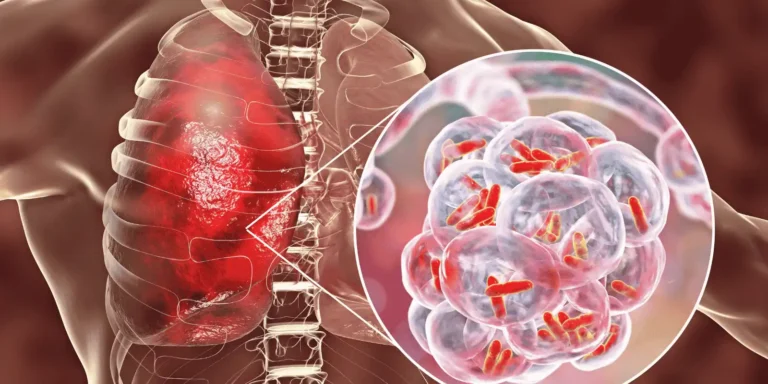
Bacterial skin infections are the most common misdiagnosis. MRSA (methicillin-resistant Staphylococcus aureus) classically causes a red, painful, swollen lump that may look like a boil or abscess. The CDC notes that many people with MRSA first think they have a spider bite. It often shows up where skin was cut or scraped, or in hairy spots like the back of the neck, armpit, groin, or buttocks. You can’t tell MRSA from other staph by looking at it. That usually takes a lab test. Other staph infections, cellulitis, and folliculitis (infected hair follicles) can all look similar. See our piece on fast cellulitis treatment for more.
Insect bites from mosquitoes, fleas, bedbugs, and other insects produce red itchy bumps that can be mistaken for spider bites. Bedbug bites often appear in clusters or lines on exposed skin (face, arms, legs).
Allergic reactions to medications, foods, plants, or environmental triggers can produce red raised patches that resemble bites.
Contact dermatitis from poison ivy or other plants causes red, sometimes blistery rashes. See our piece on poison ivy identification.
Cystic acne, infected ingrown hairs, or sebaceous cysts can produce lumps that look like bites.
Shingles often starts with pain, tingling, or itching on one side of the body a few days before the blistering rash appears. Those first red bumps can pass for a bite until the band-like pattern shows up.
Hives from various causes can produce raised red welts.
Wash the bite with mild soap and water. Hold a cool, damp cloth on it for about 15 minutes each hour to ease pain and swelling. If it’s on an arm or leg, prop it up. If you can do it safely, snap a photo of the spider so a doctor can see what bit you. Don’t grab it with your bare hands. Think it was a black widow or brown recluse? Skip home care and get seen in person right away.
No. Squeezing or poking a skin infection can push bacteria deeper and make it worse. The pus can also spread staph, including MRSA, to people you live with. Cover it with a clean, dry bandage, wash your hands often, and have a doctor look at it. If it needs to be drained, a provider should do it.
How to Tell the Difference
A few clues help sort it out.
A single lesion without known spider contact is more likely a bacterial infection or ingrown hair than a spider bite. Multiple lesions in a line or cluster suggest insect bites (often bedbugs if on exposed skin while sleeping).
A lesion that’s expanding over 24 to 48 hours, becoming increasingly red, warm, and tender, suggests cellulitis or other bacterial infection rather than a resolving bite.
A lesion with pus or a soft center that feels like it has fluid suggests an abscess, often caused by staph bacteria, including MRSA.
Fever or chills alongside a skin lesion usually point to a bacterial infection, though a brown recluse bite can rarely cause them too. Muscle cramping, sweating, or belly pain after a bite points toward a black widow.
A past MRSA infection, contact sports or shared gym equipment, or a household member with a similar lesion all increase the likelihood of a bacterial infection rather than a spider bite.
When to See a Doctor
See a doctor for any skin lesion that’s expanding, red and warm, painful, or coming with fever. Also for any lesion that isn’t healing or is getting worse after several days of home care. If you think a brown recluse or black widow bit you, get in-person medical care right away. You can also call Poison Control at 1-800-222-1222 (free and confidential) for advice on what to do next.
Head to the ER for severe symptoms, rapid spread, high fever, spreading red streaks from a lesion, muscle cramping or belly pain after a bite, dark or bloody urine, or any sign of systemic illness like confusion, shortness of breath, or severe weakness.
Where ChatRx Fits
ChatRx treats cellulitis, MRSA infection, impetigo, skin infections, and boils and abscesses as part of our 39 acute conditions. If you’re in Indiana, Illinois, or Michigan and have a suspected bite or skin lesion that fits the pattern of a bacterial skin infection, our doctors can review (often with a photo) and prescribe antibiotics when appropriate. Chat-based, $25 flat.
For suspected brown recluse or black widow bites with classic symptoms, severe or rapidly spreading skin infections needing drainage or IV antibiotics, or any sign of systemic illness, in-person or ER care is warranted. Our doctors will steer you there. The free symptom checker can help sort what to do. No account required.
Quick Take
Most self-diagnosed spider bites are actually something else, with bacterial skin infections like MRSA or cellulitis being the most common look-alikes. True spider bites that require medical attention come from brown recluse or black widow spiders in specific US regions and produce distinctive patterns. For any red, warm, swollen, or expanding skin lesion, think bacterial infection first and treat accordingly. See a doctor for expanding lesions, fever, or anything not improving in a few days.
Disclaimer
This information is provided for educational purposes only and is not intended to replace professional medical advice, diagnosis, or treatment through ChatRx. If you have questions about a medical condition, talk with a qualified healthcare provider. Services like ChatRx can help connect you with licensed physicians.