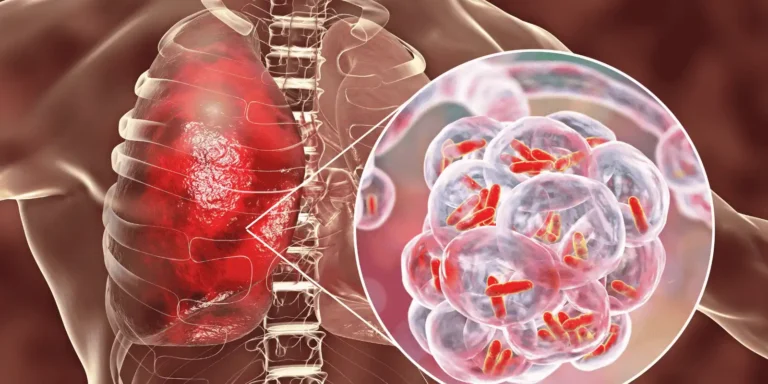
The CDC has flagged the possibility of a COVID-19 summer surge in 2026, particularly across the South and West, where last winter’s low activity left populations with less recent immunity heading into the warm months. As of late June, national COVID-19 activity remains low, but wastewater data shows the virus starting to climb in several regions.
Here’s what’s driving the watch, what symptoms to know, when to test, and what to do if you get sick.
What’s Behind the Concern
A few new variants are getting attention.
BA.3.2 (nicknamed “Cicada”) is heavily mutated and shows signs of being able to evade some of the immunity built up from prior infections and the 2025-2026 vaccines. It hasn’t taken over globally, but it’s spreading in dozens of US states. NB.1.8.1 (“Nimbus”) and XFG (“Stratus”) are the current dominant variants and continue to drive most cases.
The pattern of US summer COVID waves is now established. Hot weather drives people indoors into shared air-conditioned spaces, which creates the same kind of concentrated transmission conditions that fuel winter waves.
The reason this summer’s outlook draws more attention is the combination of factors. A heavily mutated variant is circulating. Immunity has waned in regions that didn’t see much winter activity. Summer travel adds the usual transmission boost. The CDC’s own framing has been measured: not raising an alarm, but flagging that the risk is real and worth paying attention to, especially for higher-risk groups.
Symptoms to Know in 2026
COVID-19 symptoms in 2026 continue to look a lot like other respiratory illnesses. The CDC’s current symptom list includes fever or chills, cough, shortness of breath, fatigue, muscle and body aches, headache, sore throat, congestion or runny nose, GI symptoms like nausea and diarrhea, and in some cases new loss of taste or smell.
The honest issue: these symptoms are often indistinguishable from flu, RSV, or other respiratory viruses circulating at the same time. Testing is the only way to know which one you have.
The Cicada variant doesn’t appear to cause a distinctly different symptom profile from earlier variants, based on what we know so far.
When to Get Tested
A few clear scenarios make testing worthwhile.
If you have new respiratory symptoms (cough, fever, fatigue, sore throat) that could be COVID, flu, or another virus, testing tells you which one you’re dealing with. That shapes the treatment plan, especially if antivirals are an option.
A known exposure is another reason to test. The CDC’s current guidance is to test 5 days after exposure if you don’t have symptoms, or immediately if symptoms appear.
For people at higher risk for complications (age 65+, immunocompromised, chronic conditions), early antiviral treatment can reduce the risk of severe illness. Paxlovid works best when started within the first 5 days of symptoms, so prompt testing matters more for this group.
Anyone planning to visit a higher-risk person should also consider testing to confirm they aren’t infectious.
Home rapid tests remain widely available. PCR tests through a clinic or pharmacy give more sensitive results, especially in the first day or two of symptoms when rapid tests can sometimes miss cases.
When to Treat at Home, When to Get Help
For most healthy adults, COVID-19 in 2026 plays out like a moderate respiratory illness. Rest, fluids, fever reducers, and avoiding contact with others until symptoms improve is enough.
If you’re at higher risk (older adults, immunocompromised, pregnant, or living with conditions like diabetes, heart disease, or chronic lung disease), early antiviral treatment can reduce the risk of severe illness. Paxlovid remains the standard first-line option for eligible patients. Other antivirals exist as alternatives for those who can’t take Paxlovid.
A doctor should be involved when shortness of breath is persistent or happens at rest, when symptoms are getting worse instead of better after 5 to 7 days, when fever stays above 101°F for more than 3 days, or when any new chest pain or significant lethargy develops.
Go to the ER for severe shortness of breath, chest pain, bluish lips or face, persistent confusion, or any inability to stay awake.
How to Lower Your Risk
The familiar measures still help.
Stay current on COVID-19 vaccinations. The 2025-2026 formulation targets the JN.1 lineage variants. The FDA has selected XFG as the target strain for this fall’s updated vaccine. Recommendations on who should get it are still pending from the CDC’s vaccine advisory committee.
Improve indoor air quality when gathering. HEPA filters and ventilation work. Masks reduce transmission risk in higher-density indoor settings, especially for higher-risk individuals.
Wash hands. Avoid close contact with people who are sick.
If you test positive, stay home until you’ve been fever-free for 24 hours without medication, and your symptoms are improving. Once you’re back to normal activities, wear a mask around others for 5 more days.
Where ChatRx Fits
ChatRx treats COVID-19 as part of our 39 acute conditions. If you’re in Indiana, Illinois, or Michigan and you’ve tested positive (or strongly suspect COVID based on symptoms and exposure), a physician reviews your case and can prescribe antiviral treatment when appropriate. Chat-based, $25 flat. For eligible higher-risk patients, Paxlovid prescriptions can be sent to your pharmacy within minutes.
For severe symptoms, persistent shortness of breath, or any sign of pneumonia, our doctors will redirect you to in-person care. The free symptom checker can help you decide what’s next. No account required.
Quick Take
The CDC’s outlook for summer 2026 is cautious, not alarmed. National activity is low. The South and West are most at risk for an uptick. New variants (Cicada, Nimbus, Stratus) are circulating, and antiviral treatments still work against them. Get tested when symptoms or exposure warrant it. Start treatment early if you’re at higher risk. Most healthy adults will manage at home. The bigger lever this summer is recognizing the symptoms early and making smart calls about testing and treatment.
Frequently Asked Questions
Some early reports have noted a higher share of Cicada (BA.3.2) cases showing up in kids and teenagers compared to earlier variants. That’s an interesting pattern worth watching, but it doesn’t mean the illness itself is more severe in that age group. So far, researchers haven’t found evidence that Cicada causes worse disease in children than in adults, or worse than prior variants caused. The honest answer right now is that scientists are still gathering data on this, and any parent with a sick child who seems unusually unwell should still trust their instincts and seek care rather than wait on evolving research.
Prior infection typically gives you some protection, and that protection usually extends at least partially to new variants, even heavily mutated ones like Cicada. Your immune system doesn’t start from zero just because a variant has new mutations. That said, “partial” is the keyword. Cicada’s mutations may let it slip past some of that immunity more easily than other variants would, so reinfection is still possible, particularly if it’s been several months since your last infection or vaccine dose.
Disclaimer
This information is provided for educational purposes only and is not intended to replace professional medical advice, diagnosis, or treatment through ChatRx. If you have questions about a medical condition, talk with a qualified healthcare provider. Services like ChatRx can help connect you with licensed physicians.