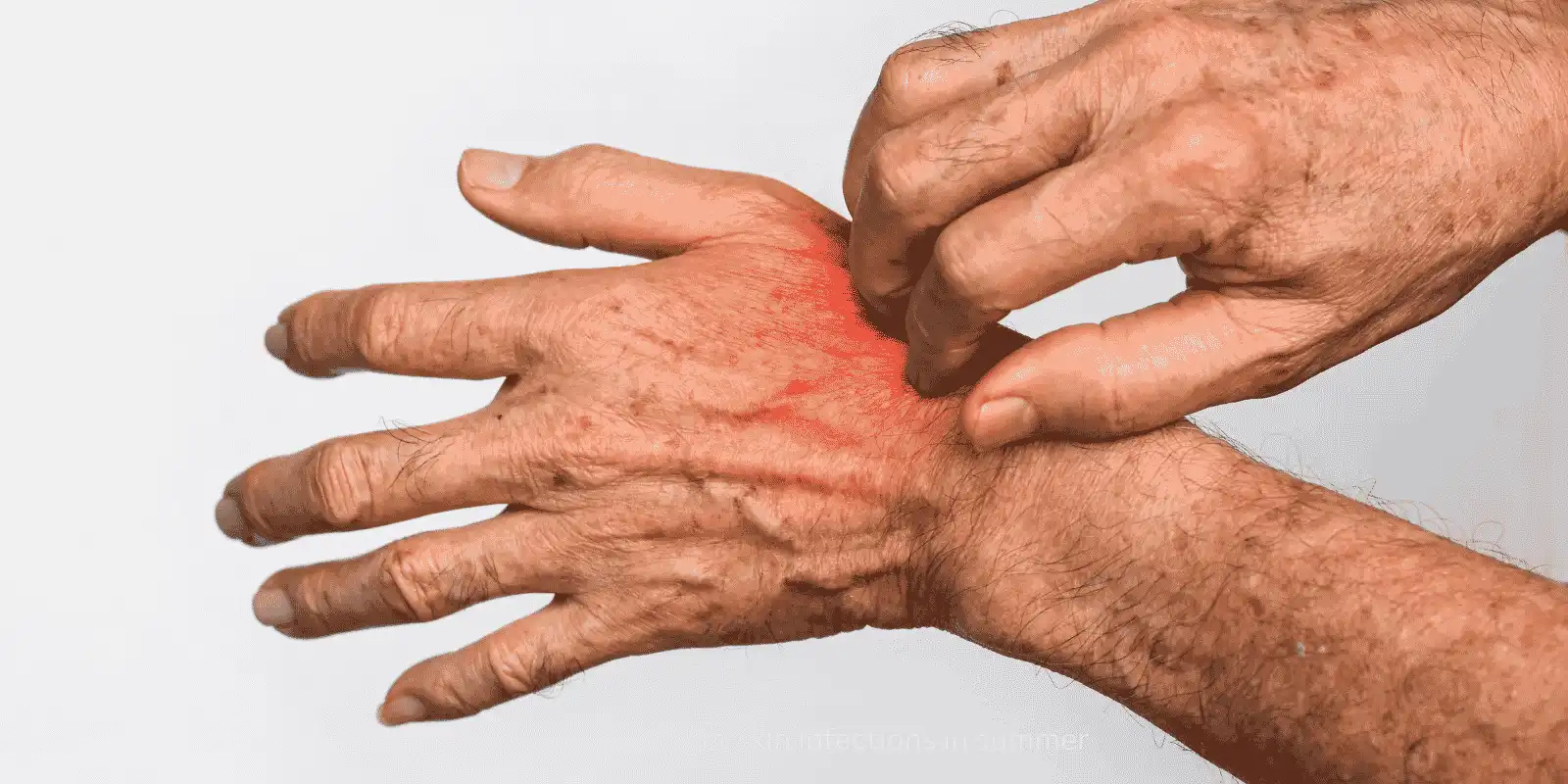
Most people know that heat and sweat drive some summer skin problems. Fewer realize how many specific summer activities and daily habits also raise the risk, or how much more common these infections are than most patients expect. Here’s the picture, with an angle toward practical prevention.
ChatRx can review skin infections via a chat-based visit in Indiana, Illinois, and Michigan for a flat fee of $25 and prescribe antibiotics when warranted.
The Surprising Rise in Summer
Skin infection rates climb sharply in warmer months across nearly every US region. In one large pediatric study, community-associated MRSA infections rose roughly twofold during warm months compared to colder ones. Skin and soft tissue infection incidence climbed from 3.36% to 5.55% over a four-year study period, peaking in early September (Chan et al., PLOS ONE, 2013).
Emergency departments see a similar pattern. Tick bite ER visits were up more than 25% in April 2026 compared to April 2025. Fungal infection visits, boil and abscess complaints, and cellulitis cases all follow similar summer curves.
For deeper detail on the clinical mechanism (why heat, humidity, and sweat combine to raise infection risk), see our [companion piece on skin infections in hot, humid weather.
This article focuses on something different: the specific activities, environments, and behaviors that make summer skin infections more common than most people realize.
The Activities Most Likely to Cause Trouble
Some are obvious. Some are less so.
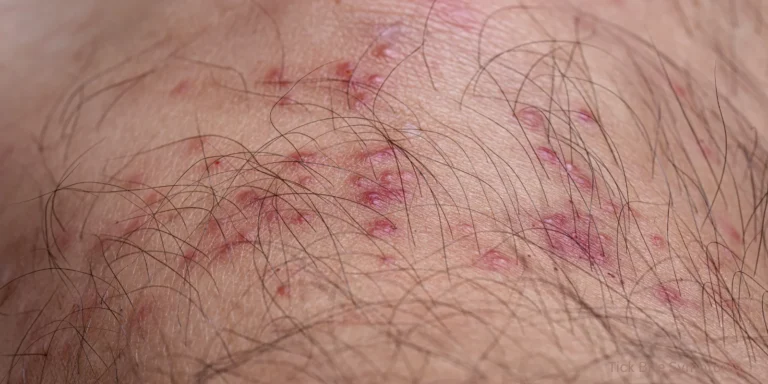
Swimming and water activities top the list. Chlorinated pools with imperfect chlorination can harbor Pseudomonas bacteria, causing “hot tub folliculitis” (small red bumps at hair follicles, especially in areas covered by swimwear). Lakes, rivers, and ponds carry a broader range of bacteria that can cause skin infections. Wet swimsuits left on for hours after swimming create the ideal environment for bacterial and fungal growth.
Contact sports (football, wrestling, gymnastics, rugby) drive up MRSA and other skin infection rates through shared equipment, close skin contact, and small breaks in the skin. Youth athletes and camp participants see similar exposure patterns.
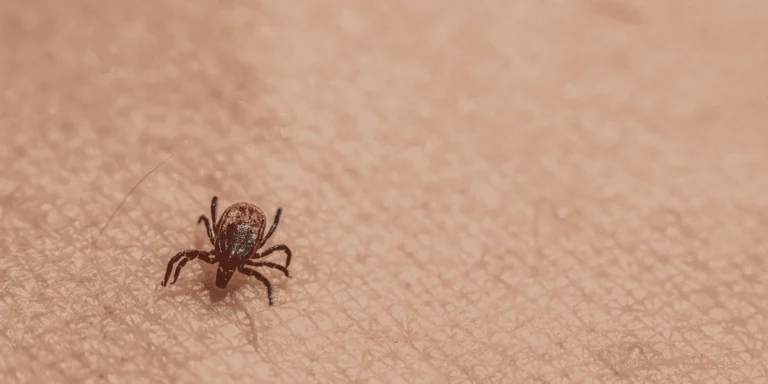
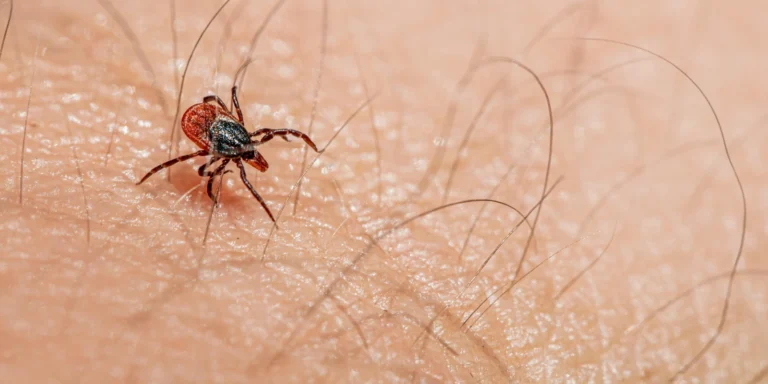
Camping and outdoor recreation increase exposure to plants, insects, and minor cuts that can become infected. Tick bites, which sometimes lead to skin infections at the bite site (or worse, tick-borne illness), spike in summer months.
Yardwork and gardening produce small cuts and scratches, often from plants or handling soil, that create entry points for bacteria.
Outdoor work (construction, landscaping, delivery driving, agriculture) exposes workers to sweat-soaked clothing for long stretches, minor abrasions, and dust and dirt that can carry bacteria.
Music festivals, county fairs, and large outdoor events combine crowds, shared portable toilets, warm weather, and less-than-ideal hygiene conditions. Skin infection risk climbs.
The Everyday Habits That Contribute
Beyond activities, everyday habits matter more in summer.
Wearing tight-fitting synthetic athletic clothing for extended periods after exercise traps sweat against the skin. Sports bras, compression shorts, and technical fabric shirts hold moisture worse than cotton if left on too long.
Skipping showers after sweating heavily gives bacteria and fungi hours to multiply. This is especially true after gym sessions, sports practices, or long yardwork sessions.
Sharing personal items like towels, razors, hairbrushes, or bar soap in gym showers spreads bacteria between people. This is one of the main drivers of MRSA transmission in athletic settings.
Reusing damp gym clothes multiple times before washing creates a persistent bacterial reservoir. Same for beach towels that stay damp in a bag.
Sitting in air-conditioned spaces after sweating can seal moisture into skin folds and clothing, extending the time bacteria and fungi have to multiply.
The Infections to Watch For
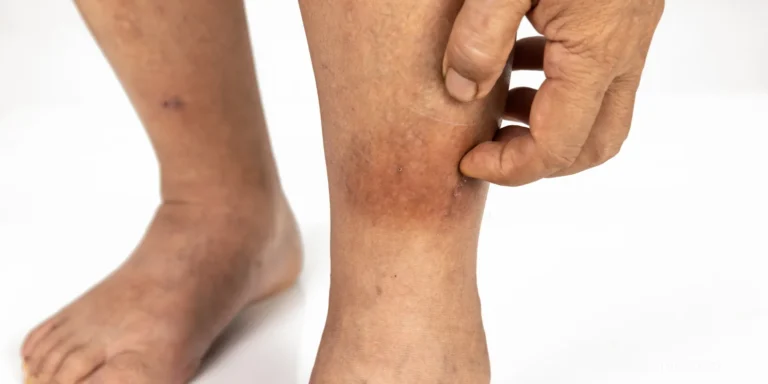
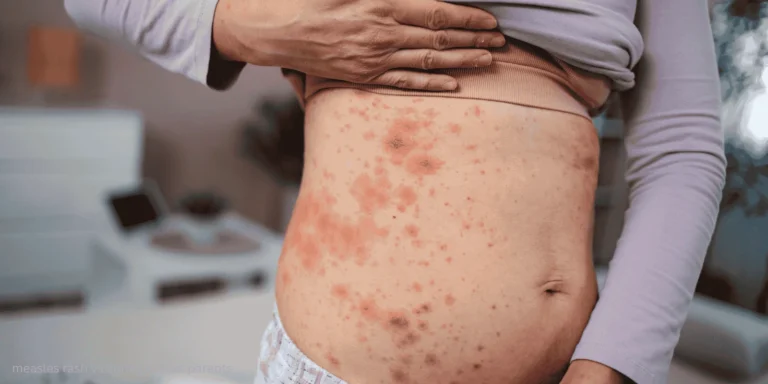
The specific infections that climb most notably in summer include cellulitis (bacterial infection of skin and soft tissue), impetigo (a superficial bacterial infection common in kids at summer camps), folliculitis (infected hair follicles, often from hot tubs or shaving), boils and abscesses (deeper Staph infections that form pockets of pus), MRSA-related infections in all of the above categories, fungal infections like athlete’s foot and jock itch (thriving in warm, damp environments), and Pseudomonas hot tub folliculitis.
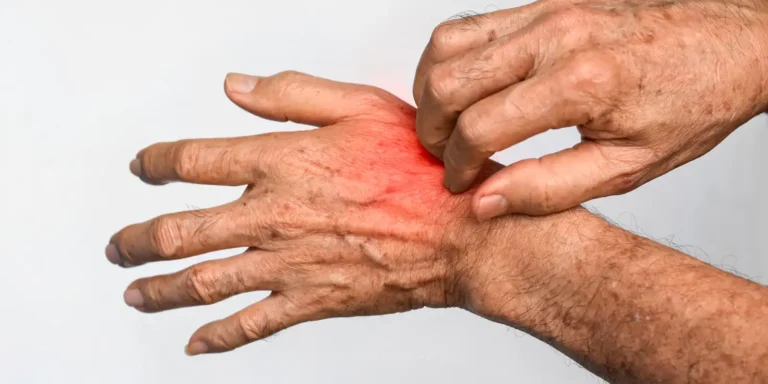
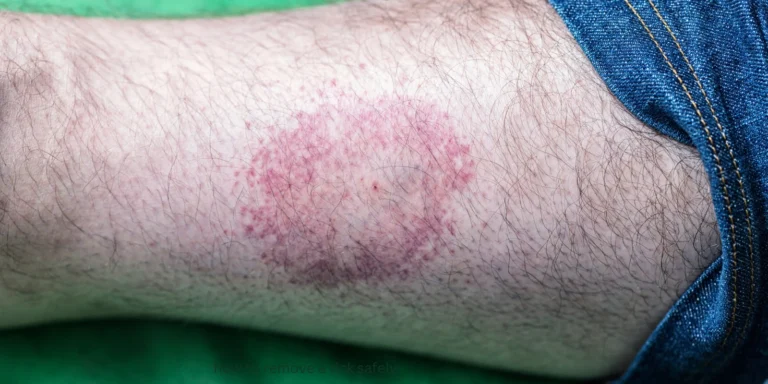
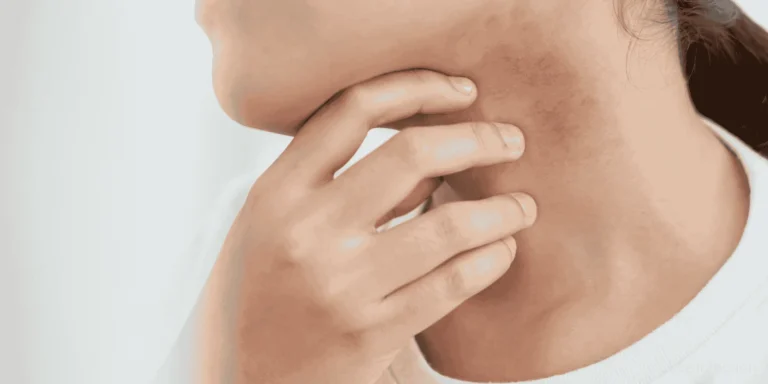
For any red area on the skin that’s spreading, warm, painful, or accompanied by fever, prompt evaluation is important. Skin infections like cellulitis can progress from mild to severe within 24 to 72 hours if left untreated.
Prevention That Works
The playbook is practical.
Shower promptly after sweating heavily, especially after workouts, sports, or long outdoor sessions. Get out of wet swimsuits and workout clothes as soon as practical after activities. Don’t share towels, razors, or other personal items.
Keep minor cuts and scratches clean and covered until healed. A dab of antibiotic ointment and a bandage on any small skin break can help lower the risk of an infection from taking hold.
For frequent gym or athletic activity, use fresh workout clothes each session, wash gym bags regularly, and consider antimicrobial fabric options.
For pool and hot tub use, verify chlorine levels are being maintained (public pools should have visible testing logs). Rinse off after swimming.
For camping and hiking, protect against ticks and insects with EPA-registered repellents. Wear long sleeves and pants at dusk when possible.
It usually comes down to exposure. If you’re in pools or hot tubs with inconsistent chlorine levels, the bacteria that cause it, Pseudomonas, can linger in the water. Rinsing off right after you get out and avoiding sitting in a wet swimsuit for hours helps break the cycle.
Boils usually build up over a day or two into a firm, painful red bump that eventually forms a pus-filled head. Spider bites tend to show up faster, are often less painful than they look, and don’t usually develop that same pus pocket.
When to See a Doctor
See a doctor for any red area of skin that’s spreading (draw a line around it and watch), any painful lump that’s growing or has a soft pus-filled center, any bite or scratch that becomes hot and painful, fever accompanying skin changes, or any rash that isn’t improving with home care after a few days.
Head to the ER for red streaks radiating from an infection (a sign the infection is moving up a lymphatic vessel), rapid spread, high fever, or any sign of systemic illness like confusion or shortness of breath.
Where ChatRx Fits
ChatRx treats cellulitis, impetigo, MRSA infection, skin infections, and boils / abscess as part of our 39 acute conditions. If you’re in Indiana, Illinois, or Michigan and dealing with an early skin infection, our doctors can review the case via a chat-based visit and prescribe antibiotics when appropriate. $25 flat.
For severe or fast-spreading cellulitis, deep abscesses that may need drainage, or any signs of systemic illness, our doctors will redirect you to in-person care. The free symptom checker can also help sort what to do. No account required.
Quick Take
Summer skin infections rise well above winter baselines through a combination of activities, environments, and everyday habits most people don’t associate with skin health. Swimming, contact sports, camping, gardening, and outdoor work all raise risk. Everyday habits (wet clothes, shared personal items, delayed showers, tight synthetic fabrics) contribute daily. The infections that climb most include cellulitis, impetigo, folliculitis, boils, MRSA-associated infections, and fungal conditions. Prevention is practical: shower after sweating, get out of wet clothes, keep small cuts clean and covered, and don’t share personal items. See a doctor promptly for any red area that’s spreading, painful, or coming with fever.
Disclaimer
This information is provided for educational purposes only and is not intended to replace professional medical advice, diagnosis, or treatment through ChatRx. If you have questions about a medical condition, talk with a qualified healthcare provider. Services like ChatRx can help connect you with licensed physicians.